®


 EN
 AR
 BG
 HR
 CS
 DA
 NL
 FI
 FR
 DE
 EL
 HI
 IT
 JA
 KO
 NO
 PL
 PT
 RO
 RU
 ES
 SV
 IW
 ID
 LV
 LT
 SR
 SK
 SL
 UK
 VI
 ET
 HU
 TH
 TR
 FA
 MS
 BE
 HY
 AZ
 KA
 MN
 MY
 KK
 TG
 UZ
 KY

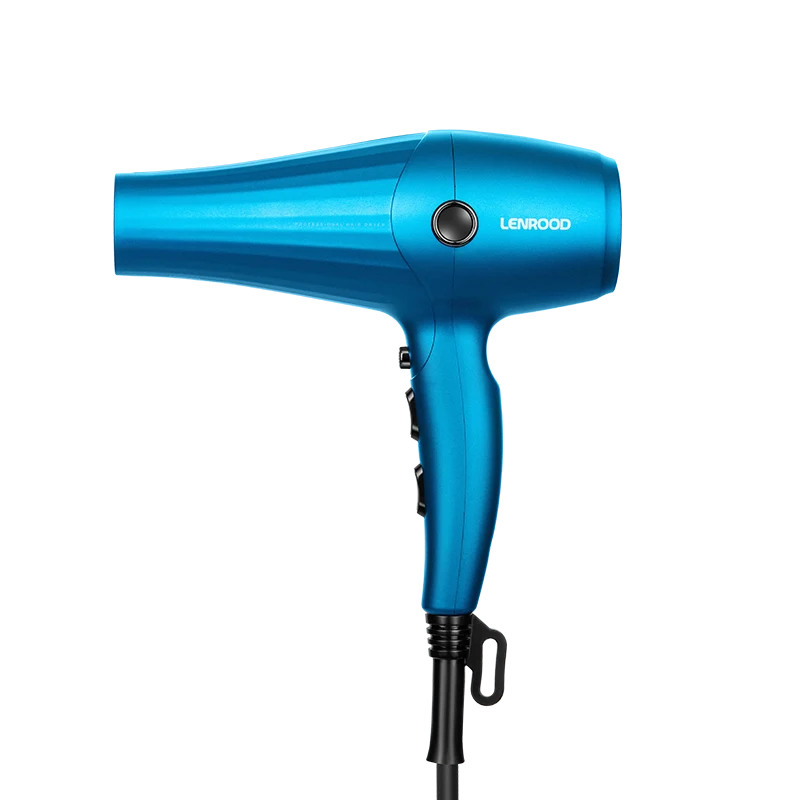
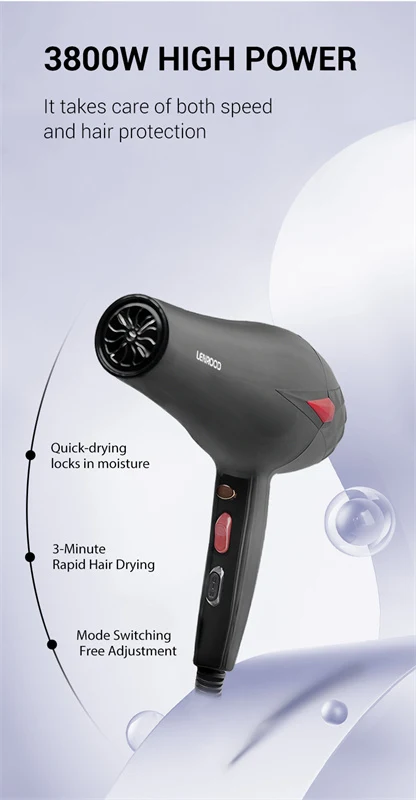
Choosing the best hair dryer for salon and home use, including options from professional brands and local suppliers, involves more then just considering its power or price. A professional hairstylist may need a durable dryer that lasts under heavy use, with strong airflow, adjustable heat settings, and sufficient power to handle sevral slients each day. For home users, a light weight model that dries hair quickly wothout causing excessive heta damage may be more suitable, especially for daily routines at home and quick touchups. Features such as motor type, temoerature control, attachments, and noise level, and maintenance needs, can also affect the drying experience. By understanding the key factors to consider when purchasing a hair srywr, including price ranges, quality, and warranty terms, you can more easily compare differnet models and find one that suits your daily routine, styling needs, and budget.
What Is A Hair Dryer Diffuser And When Should You Use It
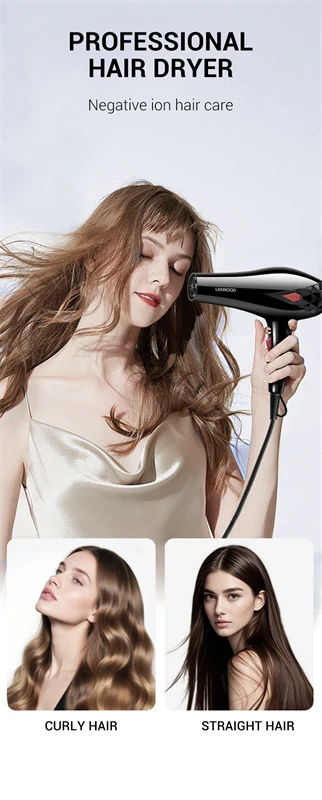
A hair sryer diffuser, a useful accessory found in many salons and home setups, is an attachment designed to spread airflow over a wider area instead o directing it into one concerntrated stream, which helps protect texture and reduce frizz during drying. It typically has a bowl-shaped design with small holes and short prong that help lift and separate tha hair while drying, and it can also help keep the texture smooth and the scalp comfortable. this attachment is particularly useful for people with curly, wavy, or textured hair because it helps preserve the hair's natural shape, and helps maintain volume and reduce frizz caused by strong airflow. if you othen struglle with float roots or curls that lose their definition after blow-drying, a diffuser can make your styling routine easier for beginners and professionals alike.
You can use a diffuser when you mant to dry your hair while maintaining its natural texture, and it can help keep the texture intact during drying. For example, someone with naturally curly hair can gently place sections of damp hair inside the difuser bowl to help the culs dry without becoming separated or disrupted, preserving curl pattern and reducing frizz. People with wavy hair can also use it to create more volume and enhance their natural waves without using a curling iron, adding lift at the roots. Even people with straight hair may benefit from a diffuser when creating soft waves or adding lift at the roots, although the rsults depend on hair type and dtyling technique, and results vary with technique.
To use a didfuser properly, begin by gently squuzing excess water from you hair with a soft towel, and you can also blot the hair to remove extra water. Apply a suitable leave-in conditioner or heat protectant, then attach the diffuser to your Hair Dryer . Slect a low or medium heat setting with gentle airflow to protect the hair. Tilt your head to one side, place a section of hair inside the diffuser bowl, and slowly move it toward your scalp, for better lift and even drying. Hold it there for a few secinds before mmoving to another section, and keep the motion slow. Avoid constantly moving the dryer back and forth, as this can disturb your curls and create frizz, which may break curl pattern.
For the best results, avoid using high heat simply to spee up the drying process, and instead use a steady, gentle approach. Allow your hiar to dry gradually, and stop when it is completely dry or slightly damp if you prefer a softer finish, to minimize heat damage and keep shine. A diffuser is more than just an additional hair dryer attachment; it is a practical tool for achieving better curl definition, natural volume, and a smoother apperance while causing less disruption to your hair's natural texture, and helping your overall style last longer.
Constant‑temperature Hair Dryer Benefits For Damaged Hair
A constan-temperature hair dryer helps protect damaged hair by maintainnig heat at a more controlled level during the dying pocess, and it can also help keep the strands softer and less stressed. Hair that has been bleached, dyed, frequentlt straightened, or exposed to high temperatures can become dry, brittle, and more prone to damage if the heat is kept in one area fo too long. A Salon Hair Dryer with constant-temperature control helps reduce sudden temperature fluctuations and makes it easier to dry hair without exposing it to unnecessary heat, especially for fragile, fine, or color-treated hair. However, it cannot repair existing damage, so choosing the rihgt settings and using appropriate hair care products remain important, such as conditioners and masks.
One of the main benefits is more controlled heat exposure. Some hair dryers automatically adjust their heating output to help maintain a steady temperature while drying your haiur, which can be helpful if you have fine, bleached, or chemically treated hair that becomes rough after frequent styling. For example, if your hair becomes dry adter coloring, using amedium heat setting insted of the highest setting can help limits futher damaged while allowing you to dry you hair. Anothet benefits is a smoother drying routine. When heat is distributed more evenly, it becomes easier to dry different sections without repeadtedly applying intense heat to one area. Some models include temperature snesors that monitor airfloe and adjust the heat when necessary. Keep in mind that the term "constanttmperature" does not mean the dryer is completely safe from causing heat damage. The actual level of protection dpend on its desing, settings, airflow, and how you use it.
To get the most out of a constant-temperature hair dryer, gently remove excess water with a towel before drying. Apply a heat protectant, divide thick hair into manageable sections, and kee the dryer moving insted of holding it over one spot. Start with a low or medium heat setting, especially if your hair is already damaged. If you notice increased breakage, split end, or a rough texture, reduce heat styling and focus on conditioning and trimming damaged hair looking and feeling healthier.
Differences Between Household Dryer And Professional Salon Hair Dryer
Household hair dryers and professional salon hair dryers may look similar, but they are designed for diffrent needs. A househole Electric Hair Dryer is generally intended for everyday use, such as drying hair before work, getting ready for school, or styling hair at home. A professional salon dryer is built to withstand frequent use throughout the day while giving hairstylists better control over drying speed and styling results. The main differences include motoer performance, airflow, heat control, durability, weight, and avilable attachments. Understanding these features can help you choose a dryer that suits your routine without paying for functions you may never use.
One major difference is dying performance. Professional salon hair dryers often have powerful motors and strong airflow, helping stylists dry thick or long hair more quickly between appointments. For example, a stylists serving several clients in one afternoon needs a dryer that can operate repeatedly without a significant drop in performance. A household dryer may provide sufficient power for one person's daily routine, especially if the hair is short, fine, or easy to manage. However, some high-quality househol models alse offer strong airflow, so professional dryers are not automatically faster in evry situation.
Heat and speed control are othe important factors. Salon dryers typically offer several heat and airflow settings, allowing stylists to adjust the output for different hair types and styling tachniques. Lower heat can be helpful ehn working with fine or damaged hair, while stronger airfloe can be usedful for removing excess moiture from thick hair. Household models may have fewer settings, although many modern options incled ultiple temperature levels, cool-shot buttons, and heat-control featues.
Durabiility and comfort are also important. Professinal dryers are generally designed for frequent and extended use, while household models are often intended for shorter drying sessions. Salon dryers may feature longer powet cords andmore attachments, making it easier to move around a styling station. Howevver, some professional models are heavier or more expensive, which may not be suitable for someone who dries their hair only a feq times a week.
When choosing between the two, consider how often you will use the dryer and what results you want to achieve. if you need a simple tool for everyday drying, a household model with adjustable heat, a comfortable handle, and a suitable nozzle may be sufficient. If you style hair for clients or frequently work with differwnt hair types, a professional salon dryer may offer better long-term value. Compare motor specifications, weight, noise level, warranty, and replacement parts before purchasing instead of relying solely on the product label.
Important Specifications To Check Before Buying A Hair Dryer
Before purchasing a hair dryer, carefully examine its specifications instead of choosing based only on appearance or price. The right features can choosing based only on appearance or price. The right features can make everyday drying faster, improve styling results, and help reduce unnecessary heat exposure. Whether you need a dryer for home use or a busy salon, pay attention to wattage, motor type, airflow, temperature seetings, weigth, and attachments. These details affet how the dryer performs and how comfortable it is to usr. For example, someone with thick, long hair may need stronger airflow, while someone with fine or damged hair may benefit form adjustable heat and steady temperature control.
Heat and speed settings are also important. Look for a dryer with at least two or three heat options and adjustable airfloe. Low heat is useful for fine, frgile, or damaged hair, while a higer setting can help dry thik hair more quickly when used carefully. A cool-Chort button is also useful for finishing a hairstyle with cooler air. If you frquently color or straighten. Many househol dryers operate at aroung 1,2000-1,800 watts, while some professional models use 1,800-2,200 watts or more. Always check the product specificstions and make sure the wattage is comapatible with your local electrical supply.
Heat and speed settings are alos important. look for a dryer with at least two or three heat options and adjustable airflow. Low heat is useful for fine, frafile, or damaged hair, while a higher setting canhelp dry thick hair more quickly when used carefully. A cool-shot button is also useful for finishing a hairstyle with cooler air. If you frequent;y color or straighten your hair, consider a model with temperature-control technology to help mange heat exposure.
Weight, noise, and handling can affect comfort during everyday use. A lightweight dryer is easier to hold when drying long hair, while a well-balced handle canr educe wrist strain. For salon pro fessionals, a longer power cord makes it easier to move around clients without constantly changing outlets. Noise level may also be important if you work in a small salon or live with other people.
Finally, check the attachments and safety feature. A concentrator noozle directs airflow for smooth blowouts, while a diffuser helps preseve curls and nautral waves. Removable air filters are used=ful becaused they make clreaning easier and helpl prevent dust and hair from obstructing airflow. Check the warranty, availability of replacement parts, and electrical safety certifications. By comparing these specifications with your hair type, daily routine, and budget, you can choose a hair dryer that offers practical performance without paying extra fro features you do not need.
CE‑Certified Wholesale Hair Dryer Options For Bulk Purchase
Purchasing CE-certified hair dryers in bulk requires more than comparing wholsael prices., Importers, retailers, salon equipment suppliers, and private-label brands need prodcuts that meet the safety requirements of theit target makret while offering reiable performance and consistent quality. The right wholsale hair dryer should match users' needs, wheteher it is basic household model., a professional salon dryer, or a model with constant-temperature control and multiple attachments. Before palcing a large order, buyers should review the CE documentation, electrical ratinfs, motor performance, available customization options, minimum order quatity, and warranty terms. These checks can help reduce purchasing risks and make long-term supplier relationship easier to manage.
For bulk buyers, three common option sre worth comparing. Basic household hair dryers are suitable for supermakret, online retailers, and general home appliance distributors. Professional salon hair dryers are better suite to beauty supply stores and salon equipment wholesalers that require durable motors, multiple heat settings, and concentrator nozzle. Feature-rich models with diffuser, ionic technology, or temperature sensors may appeal to customers looking for more styling options. Ask suppliers to confirm which featues are available in each model instead of assuming that every unit in a product range includes all the listed features.
Before placing an order, request the product;s EU Declaration of Conformity and and supporting technical documents for the exact model. CEmarking is a manufaturer's declaration that a product meets the applicable EU requirements; it is not a general safety approval issued by a central EU certification office. A generic supplier certificate may not cover the model you intend to purchase. Review the documentation carefully and ensure that the product complies with the regulations applicable to your destination market.
image
Your Europe
+30
Finally, request samples before cummiting to a lrge order. Test drying performance, heat setting, Plug type, cord qualtiy, noise level, and attachment fit. Discuss the MOQ, sample costs, production lead time, pckaging, spare parts, warranty coverage, and options for customs logos or colors. if your plan to sell the products under your own brand, clarify compliance these details will help you choos a whilesale hair dryer supplier based on product quality, documentation, and long-term support rather tha price alone.
Table of Contents
- What Is A Hair Dryer Diffuser And When Should You Use It
- Constant‑temperature Hair Dryer Benefits For Damaged Hair
- Differences Between Household Dryer And Professional Salon Hair Dryer
- Important Specifications To Check Before Buying A Hair Dryer
- CE‑Certified Wholesale Hair Dryer Options For Bulk Purchase
Yiwu JiHong Electric Appliance Co., Ltd. was established on April 27, 2017, and owns two independent brands: "Lenrood" and "Coobo." Primarily focused on offline distribution and wholesale channels, the company has over 30 years of experience in the home appliance industry, with annual sales revenue of approximately 1 billion CNY. Known for its stylish designs, superior quality, and smart features, JiHong offers a wide range of products, including fashionable personal care appliances, oral care products, health and wellness devices, and small kitchen appliances. The company emphasizes R&D, innovation, and quality control, ensuring continuous product innovation, market expansion, and reliable after-sales service. It is committed to becoming a benchmark in the new-era smart small appliance industry. Guided by the principles of "innovative technology, exceptional quality, and warm customer-centric culture," JiHong strives to deliver extraordinary and heartwarming experiences, bringing more warmth to everyday life.