®


 EN
 AR
 BG
 HR
 CS
 DA
 NL
 FI
 FR
 DE
 EL
 HI
 IT
 JA
 KO
 NO
 PL
 PT
 RO
 RU
 ES
 SV
 IW
 ID
 LV
 LT
 SR
 SK
 SL
 UK
 VI
 ET
 HU
 TH
 TR
 FA
 MS
 BE
 HY
 AZ
 KA
 MN
 MY
 KK
 TG
 UZ
 KY

Ten years' worth of R&D makes a huge contribution to developing an individualized electric Partaveitsi . The development of the device is more than just the creation of an aesthetically appealing gadget. It is necessary to think about how well the device will perform the task of shaving, what kind of engine it should have, how long its battery will work, how comfortably it will be for the skin, how quiet it will be, and other aspects. Due to ten years' worth of experience in R&D, the companies have a good understanding of the needs of various markets and the ability to address typical issues that arise during the development of products.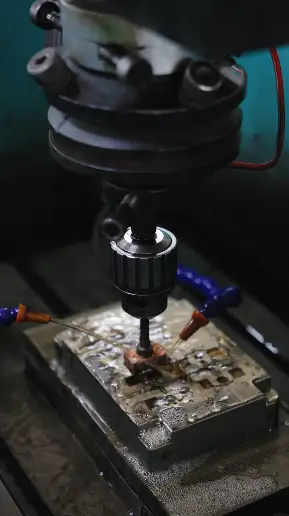
Professional R&D Team with Extensive Grooming Product Experience
A strong R&D team is one of the most important parts of creating a successful custom electric shaver. Experienced engineers and product designers understand that a good shaver must balance performance, comfort, safety, and appearance. When a team has worked on grooming products for many years, they already know the common challenges that may appear during development, such as weak shaving power, short battery life, uncomfortable contact with the skin, or difficult cleaning designs.
For example, when developing a new electric shaver for a brand targeting busy professionals, the R&D team may focus on creating a lightweight body that is easy to carry, a fast-charging battery system, and a motor that provides stable power during use. These details come from years of studying how people use grooming products in real situations, not only from laboratory testing.
A professional R&D team usually starts by understanding the target market and user habits. Different users may have different needs. Some customers may want a close shave for daily office use, while others may need a waterproof shaver for travel or outdoor activities. The design team studies these needs and turns them into product features.
During the development process, engineers also test different materials, blade structures, motors, and electronic components. Each part can affect the final shaving experience. For instance, a well-designed blade system can reduce pulling and irritation, while a properly selected motor can maintain stable performance even when the battery level becomes low.
Working with an experienced R&D team also helps reduce development risks. Instead of starting from trial and error, manufacturers can use past knowledge to create prototypes faster and improve designs more efficiently. Through repeated testing and adjustments, the final product becomes more reliable and easier for users to operate.
For companies planning to develop their own electric shaver products, choosing a manufacturer with a skilled R&D team can make the product development process smoother. Experience in grooming products allows the team to handle technical challenges, improve product quality, and create designs that match real customer expectations.
Custom Electric Shaver Development from Idea to Prototype
Creating a custom electric shaver usually starts with a simple idea and gradually turns into a working prototype through several development steps. A clear development process helps avoid mistakes, control costs, and create a product that matches the needs of the target users. From concept planning and design sketches to engineering tests and prototype production, every stage plays an important role in building a practical electric shaver.
The first step is understanding the product goal. A brand may want to create a compact travel shaver, a premium home-use model, or a budget-friendly option for daily grooming. At this stage, the development team studies the target users, market trends, and expected features. Questions such as shaving speed, battery capacity, waterproof level, cleaning method, and appearance style need to be considered before moving into detailed design.
After the product direction is confirmed, designers create the first concepts. They work on the shape, handle design, button placement, and overall user experience. A good design should not only look modern but also feel comfortable when held. For example, a curved handle may provide better control during shaving, while a simple button layout makes the product easier to operate.
The next stage is engineering development. The team selects suitable components, including motors, blades, batteries, charging systems, and internal structures. Engineers then create prototypes to test how the shaver performs in real use. These early models help discover problems that may not appear during the design stage.
Prototype testing is a key part of product improvement. The team checks shaving performance, noise levels, battery usage, heat control, waterproof functions, and durability. Feedback from testing is used to adjust the design and improve the final version.
A well-managed development process turns an initial idea into a reliable electric shaver product. By carefully handling each step from concept to prototype, manufacturers and brands can create products that meet customer expectations and perform well in everyday grooming routines.
Advanced Product Testing for Performance and User Experience
Testing plays a key role in creating a high-quality custom electric shaver. A product may look attractive during the design stage, but real performance depends on how well it works during daily use. Advanced product testing helps identify possible issues, improve shaving comfort, and make sure the final design meets user expectations before mass production begins.
During the testing process, engineers check many important areas, including shaving efficiency, motor performance, battery life, charging speed, noise level, and waterproof ability. Each part affects the overall user experience. For example, a powerful motor can help maintain stable shaving performance, but it also needs proper noise control to provide a more comfortable experience.
Skin comfort is another major focus during electric shaver testing. A shaver that removes hair effectively but causes too much irritation may not satisfy users. Testing teams examine blade movement, shaving head flexibility, and contact pressure to reduce pulling and discomfort. These improvements are especially important for users with sensitive skin who need a smoother shaving experience.
Battery testing is also necessary for modern electric Nenäkarvatrimmeri . Many customers expect a device that can last several days or even weeks on a single charge. Engineers test battery performance under different usage conditions to check whether the product can maintain stable operation over time. They also evaluate charging safety and battery durability to improve product reliability.
Real user feedback is often included in the testing process. A prototype may perform well in a laboratory, but everyday users may discover different challenges. For example, testers may find that the shaver is difficult to clean or that the grip feels uncomfortable after several minutes of use. These comments help designers make practical adjustments before the final launch.
Through careful performance and user experience testing, manufacturers can create electric shavers that are not only technically reliable but also comfortable and easy to use. A complete testing process helps turn a good design idea into a product that users can trust in their daily grooming routine.
Yiwu JiHong Electric Appliance Co., Ltd. perustettiin 27. huhtikuuta 2017, ja sillä on kaksi itsenäistä tuotemerkkiä: "Lenrood" ja "Coobo". Pääasiassa offline-jakeluun ja tukkumyyntikanaviin keskittyvällä yrityksellä on yli 30 vuoden syvällinen asiantuntemus kodinkoneteollisuudesta, ja sen vuotuinen myyntitulo on noin miljardi Kiinan yuania. Tyylikkäästä muotoilustaan, erinomaisesta laadustaan ja älykkäistä ominaisuuksistaan tunnettu JiHong tarjoaa laajan valikoiman tuotteita, kuten muodikkaita henkilökohtaisen hygienian laitteita, suunhoitotuotteita, terveys- ja hyvinvointilaitteita sekä keittiön pienkoneita. Yritys painottaa tutkimus- ja kehitystyötä, innovaatioita ja laadunvalvontaa varmistaen jatkuvan tuoteinnovaation, markkinoiden laajentumisen ja luotettavan jälkimarkkinointipalvelun. Se on sitoutunut tulemaan uuden aikakauden älykkäiden pienkoneiden alan vertailukohde. "Innovatiivisen teknologian, poikkeuksellisen laadun ja lämpimän asiakaskeskeisen kulttuurin" periaatteiden ohjaamana JiHong pyrkii tarjoamaan ainutlaatuisia ja sydäntä lämmittäviä kokemuksia, jotka lisäävät käyttäjien elämän lämpötilaa.