®


 EN
 AR
 BG
 HR
 CS
 DA
 NL
 FI
 FR
 DE
 EL
 HI
 IT
 JA
 KO
 NO
 PL
 PT
 RO
 RU
 ES
 SV
 IW
 ID
 LV
 LT
 SR
 SK
 SL
 UK
 VI
 ET
 HU
 TH
 TR
 FA
 MS
 BE
 HY
 AZ
 KA
 MN
 MY
 KK
 TG
 UZ
 KY

Trimming nose hair is one of the easiest and quickest ways to maintain a clean and tidy nose, in your daily personal grooming routine, although beginners might have concerns about cutting, scratching, or misusing a nose hair trimmer, which is understandable for new users. Fortunately, you can give yourself a tidy and safe trim pretty easily by following a few simple steps, and you can feel confident as you learn. You don't need to completely remove all the nose hair - it's actually good for trapping dust, pollen, and other tiny bits of debris before they reach your lungs, acting as a natural filter for your breathing. All you need to do is trim the hairs that poke out, those that protrude a little beyond the nostril opening.
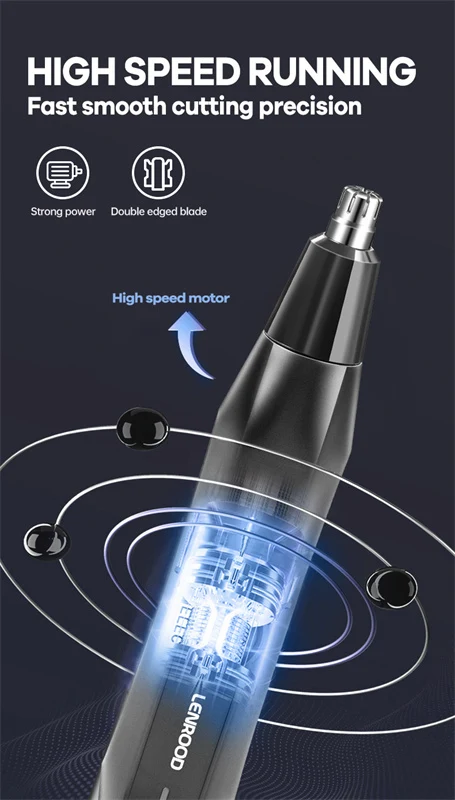
Correct Operating Steps for Portable Nose Hair Trimmer
A travel-size nose hair trimmer is simple to operate if you are familiar with how it should be held, a small device that fits easily in a pocket or bag for quick on-the-go grooming. Always clean and power your device before using it, or ensure you have a fresh battery in the appropriate compartment, and check that the status lights are clear so you know it is ready. Whether you're heading off to work, to a family event, or to a special event, a few minutes of extra care trimming can leave you well groomed, confident, and presentable.
Begin by washing your hands and carefully wiping your nose with a tissue, and you can keep nails tidy as part of your prep. If your nose is extremely moist, you may want to dry it first so you can see which hairs need to be trimmed, especially the longer ones that stand out. Stand in front of a well-lit mirror, preferably one with bright, cool lighting to reduce shadows. Seeing the hairs sticking out of your nostrils will make it easier to position your बाल छाँटने वाला बिना अनुमान लगाए.
After you turn on the portable nose hair trimmer, ensure the head is secured tightly, and check that the base is clean and stable. Stand comfortably and grip the device slightly tightly, then softly insert the rounded cutting end inside the nose, but don't force it deep inside-your aim is to trim hairs that you see near your nose opening, not remove all your nose hair, and keep the movement steady, gentle, and mindful.
Glide the trimmer in slow, small circles or use the technique directed by the instructions, and keep the motion light and precise. You do not have to dig in with the device, just let it touch the hairs softly. For instance, if a couple of hairs show on a nostril, trim that nostril, then go to the next, taking turns to avoid overdoing one side. Use short, deliberate strokes instead of banging the device back and forth rapidly, which helps prevent nicks and uneven results.
When you are done, switch off the trimmer and then remove it from your nose, keeping the device clean and dry. Examine the outcome in the mirror and repeat if needed, if you want a nicer balance, but avoid over trimming. Be moderate; do not trim so much – nose hair serves a purpose, helping to keep dust and other debris out of your nose, and its job is part of your nose's natural defense.
Lastly, wash the cutting head following the manufacturer's guidelines, and do this after every use as part of a routine. Some models of portable nose hair trimmers come with a washable head, but you should use a brush to clean other models, since a brush helps remove fine hairs more gently than water alone. Make sure to dry every washable part and put your nose hair trimmer in a clean and dry place to preserve it for a long time and always look great, storing it in a protective case to extend its life.
How to Clean Nose Hair Trimmer After Every Use
A clean nose hair trimmer not only ensures good hygiene, but also prevents the blades from being covered with hair and ensures that they can continue to cut, and it helps the device stay sharp and reliable for longer. Because the cutting head is also in contact with the inside of your nose, it is best not to leave your नाक के बाल ट्रिमर with hair, dust, and moisture before storage, and cleaning is quick, taking just a minute or two.
Switch off the trimmer, and remove the battery if it's removable (use it only if the manufacturer has said so), and store it safely away when not in use. Remove the electrical cord of a rechargeable device, if one is present, and keep the plug dry. Do not wash or clean the tool during use or when it is plugged in, to avoid any electrical hazard.
Second, detach the cutting head if your model has a removable head, and do not pull it out, however. Instead, follow the procedures specified in the user manual and do not exert undue force on any part of the machine, as forcing might bend the mechanism or misalign blades. The small cleaning brush that you used to clean the trimmer can be used to sweep the loose hairs from between the blades and around the cutting head, and you can also use a soft cloth to wipe away any remaining dust.
On a nose hair trimmer that has a wash-cleanable head, rinse the head with warm water if the trimmer's instructions indicate it's safe to do so, and do so gently and avoid splashing. Depending on the product, the head may be the only part designed to be washed or the entire nose hair trimmer may be entirely waterproof, so always check the device manual before submerging or rinsing. Never assume the whole nose trimmer is waterproof just because the head can be washed, and if the body isn't water resistant, don't get it wet. Use a dry or damp cloth instead, never soaking it.
Ensure that the washable parts are completely dry and reattach them once you have washed away the trimmed hairs, so the device is ready for next use and free from moisture. The moisture within the cutting head could lead to the formation of rust or loss of effectiveness, and damp parts can cause irritation. Do not assemble or store the trimmer if the parts are still moist, to avoid damage.
Likewise, check the blades every so often for stuck hairs, visible damage, or rust, and make sure they move smoothly. Follow manufacturer recommendations when applying blade oil: only use the kind/brand/measurement specified by the manufacturer, not any off-brand oil. Refrain from using miscellaneous home oils or chemical cleaners that may end up harming the product, which could degrade plastics or affect the steel.
Last but not least: place your clean nose hair trimmer in a dry case or storage drawer and make sure the appliance isn't exposed to splashes or moisture in the bathroom, away from steam and humidity. For example, if you are trimming your nose hair in the morning before work, consider including cleaning it in your morning routine rather than packing it right away in your toiletry bag for your commute to work, so it stays ready and fresh throughout the day.
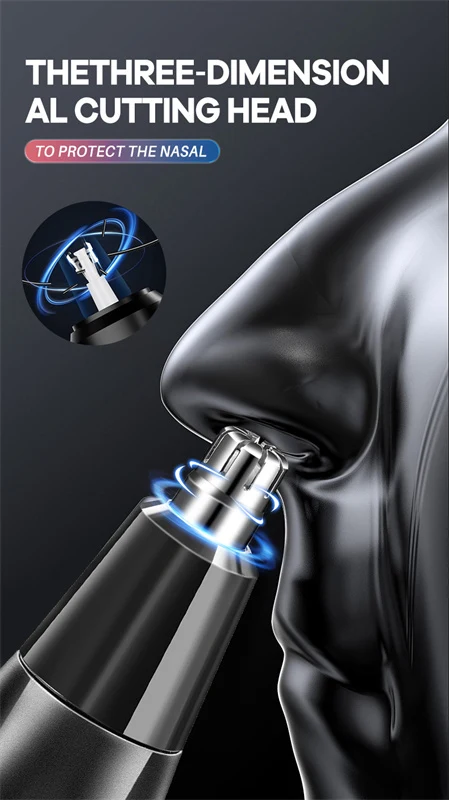
Safety Tips to Prevent Nose Skin Injury During Trimming
Tips for avoiding skin irritation while trimming your nose hair, especially for first-time users. Whether you own a nose hair trimmer for the first time or have had one for some time now, there are a few simple rules you should stick to for a pain-free and comfortable grooming experience. You can avoid hurting your nose while trimming and help keep your इलेक्ट्रिक नाक के बाल ट्रिमर in good shape by following these few simple tips, which are easy to apply at home:
Tip a trimmer that has a rounded tip, a design choice that reduces direct blade to skin contact. A nose hair trimmer for the nose should have a protected cutting head that minimizes blade-to-skin contact. Before every use, examine the tip for loose parts, sharp damage, or rust. If you notice any damage to the cutting head, replace it or stop using the trimmer, to stay safe.
Just remove the hairs that stick out, the longer ones that poke beyond the opening, with care, since nose hair isn't a fashion statement-literally. The benefit of having nose hair is that it can serve as a filter to trap dust and other particulates so they don't get further into your respiratory system. If there are a few long or dark hairs inside your nose that are hanging out, take care of those rather than removing all the hair in your nose.
Keep your movements slow and gentle, with steady hands and mindful breathing. Turn on the trimmer and use the tip to gently go just inside your nose. Do not insert it deeply or apply excessive pressure to your nose. Slowly pull it around the opening until you see hair. You do not need to hold it too firmly, as you might irritate your nose.
Employ a mirror and sufficient light, using bright enough illumination and a stable stance. If you don't have enough light, you might be tempted to forget to move the trimmer. Position yourself in a well-lit location, possibly leaning to one side or the other a little, so that it is a tad easier to observe which hairs need to be trimmed and which might not.
Don't trim when your nose is inflamed, inflamed or painful, to avoid making it worse. If you're experiencing a nosebleed, wound, tender pimple, or inflammation on the inside of your nose, do not trim until the spot is healed. Trimming over inflamed skin can exacerbate the condition. To stop bleeding, pinch the soft part of your nose closed and tilt forward.
Maintain and use the trimmer hygienically, keeping it clean and sanitized after each use, and sharing it with others isn't allowed. It is not permissible to use the hair and dirt that collect in the cutting head of the hair trimmer on other people. Clean the device in accordance with the instructions after every use.
Finally, avoid trimming if you get a lot of pain, bleeding or swelling that won't go down, and seek medical advice if needed. Trimming your nose hair should be a quick and painless process, not something you're willing to put up with. If you trim slowly and only trim what is necessary, you'll keep your nose tidy while minimizing any pain or discomfort, and you'll feel more comfortable overall.
Battery & Charging Tips for Rechargeable Nose Hair Trimmer
Your rechargeable nose hair trimmer needs to be charged regularly to ensure it's ready for use when you need it. A poor battery can cause the motor to run more slowly and make the operation less comfortable and less effective. No matter how frequently you use your nose hair trimmer (every day or just during special occasions), a few everyday charging habits will keep it performing at its best, with reliable power.
Consult the instruction book to ensure that you follow the correct method and length of time to charge your rechargeable nose hair trimmer for the very first time, since different models use different battery types and charging systems, and don't assume that all nose hair trimmers are the same. Some nose hair trimmers come with a USB cable, and some do not, so check what is included.
Utilize the suitable charging cable and power source, and whenever possible, use the charger and outlet that came with the device, or one that's compatible and has the same specifications. An incorrect charger may result in difficulties charging or harm the battery. Clear the charging port and make sure it is dry before attaching the cable, to ensure a safe connection.
Don't charge your trimmer in proximity to water. Bathrooms are practical, but they also have sinks, moisture on the countertops, and water droplets that can be dangerous when charging. Make sure the machine is on a dry table before you connect it to an outlet. If you recently washed the trimmer, let the rinsable parts dry before you plug them in.
Charge for the recommended amount of time. Rechargeable nose hair trimmers may have varying charging times, with some being faster than others. Use the indicator light or device instructions to know when it is charged and, if the manufacturer recommends, unplug the device at that point rather than keep it plugged in.
Avoid turning on the trimmer while charging unless the instructions say you can. Some smaller grooming appliances are meant to be used only while unplugged from the wall socket. Turn it on while plugged in and the motor probably won't run, and it could be dangerous if any moisture is inside.
Store the trimmer in a safe, dry, cool location. Do not leave it in the sun, in a hot car, or near any other source of heat. If you travel a lot, ensure that the device is switched off and protected from accidental use in your toiletry bag, so it stays safe during trips.
For instance, if you trim your nose hairs three days a week, make sure the battery is fully charged prior to an important trip rather than waiting until your motor starts to slow down. Discontinue charging and using your device if you notice any abnormal heat, swelling of the battery, cracking of your charge cord, or an abnormal smell, and check the cord regularly.
If you take good care of your nose hair trimmer during charging and storage, it should stay well for your frequent use to remove hair. Regularly read the user manual for your model, as battery maintenance procedures can differ and vary by product line.
What To Notice When Choosing Wholesale Nose Hair Trimmer
If you are a seller, distributor or start a business selling personal grooming products, you should not only compare prices but also you need to make sure that every product meets standards. Safety, quality, battery life, and customer satisfaction are important items when selecting what to buy. At first glance, it might be nice and cheap to buy a cheap nose hair trimmer, but if there are many complaints about its quality or its cutting ability, it might not be worth the effort.
Examine the cutting head design and safety features. A quality trimmer will have a safety cutting head that minimizes the chance of cutting the sensitive skin of your nose while trimming hair. The design should not have jagged edges and should be firmly attached to the unit, with the design facilitating trimming of protruding hairs without having to insert the device deep into the nose. Sample if you can, and see how easily the device handles everyday grooming needs, in real life tests.
Compare motor performance and cut quality. The motor should run smoothly without unnecessary vibration or loud noise. A trimmer that plucks hair rather than cuts it neatly can be painful and lead to poor reviews. When comparing wholesale models, look at the specifications for the motor and do a test run in the same manner as regular use, to be sure of results.
Look at the different battery types and charging capabilities. Wholesale nose hair trimmers may be powered by one or more replaceable batteries or by a rechargeable battery. Battery-powered travel trimmers may use USB charging, so they're a good purchase for frequent travelers, while replaceable batteries may be preferable for those who don't want to be limited by charging time. Consider the replacement schedule and battery life, and plan for replacements ahead of time.
Know the product and how it wears. The body should have a solid feel, and the cutting head should be rust-resistant, given the cleaning protocols listed by the company. Stainless steel blades are fine, but it depends on the grade and how it is used. Don't assume a trimmer is waterproof just because it has a washable head. Know the water-resistance rating as listed and the cleaning procedures, and verify with your supplier.
You should find out how products are controlled and ensure that they conform to standards. If you plan to buy large quantities, ask for product specifications, test reports, and safety/conformity documents that are appropriate for your intended sales country. Standards differ by country and distribution channel, so check that the right standards are specified instead of just asking your supplier.
Choose the entire wholesale price. At the point of sale, the unit price is just one component. If applicable, there may be tariffs, packaging costs, after-sales costs, minimum order prices, customization, distribution costs, and shipping fees. For instance, a more expensive version of a product with superior QC and no more flaws might cost less than a lower-grade one, depending on overall value.
If you plan to send a substantial order to your wholesale nose hair trimmer supplier, acquire samples of a few different models for testing under identical conditions. Read feedback from other customers if available, and get written confirmation on shipping dates and replacement procedures. Proper research ensures you choose a product that is affordable to use, safe, and performs predictably, meeting your market needs.
यिवू जिहोंग इलेक्ट्रिक अप्लायंसेज कंपनी लिमिटेड की स्थापना 27 अप्रैल, 2017 को हुई थी और इसके दो स्वतंत्र ब्रांड हैं: "लेनरूड" और "कूबो"। मुख्य रूप से ऑफलाइन वितरण और थोक चैनलों पर केंद्रित, कंपनी को घरेलू उपकरण उद्योग में 30 वर्षों से अधिक का गहन अनुभव है और इसका वार्षिक बिक्री राजस्व लगभग 1 बिलियन चीनी डॉलर है। अपने स्टाइलिश डिज़ाइन, उत्कृष्ट गुणवत्ता और स्मार्ट फीचर्स के लिए जानी जाने वाली जिहोंग, फैशनेबल पर्सनल केयर उपकरण, ओरल केयर उत्पाद, स्वास्थ्य और कल्याण उपकरण और रसोई के छोटे उपकरणों सहित उत्पादों की एक विस्तृत श्रृंखला प्रदान करती है। कंपनी अनुसंधान एवं विकास, नवाचार और गुणवत्ता नियंत्रण पर जोर देती है, जिससे निरंतर उत्पाद नवाचार, बाजार विस्तार और विश्वसनीय बिक्री पश्चात सेवा सुनिश्चित होती है। यह नए युग के स्मार्ट छोटे उपकरण उद्योग में एक बेंचमार्क बनने के लिए प्रतिबद्ध है। "नवीन प्रौद्योगिकी, असाधारण गुणवत्ता और गर्मजोशी से भरे ग्राहक-केंद्रित संस्कृति" के सिद्धांतों से प्रेरित होकर, जिहोंग असाधारण और दिल को छू लेने वाले अनुभव प्रदान करने का प्रयास करती है, जिससे उपयोगकर्ताओं के जीवन में और अधिक "ताजगी" आती है।