®


 EN
 AR
 BG
 HR
 CS
 DA
 NL
 FI
 FR
 DE
 EL
 HI
 IT
 JA
 KO
 NO
 PL
 PT
 RO
 RU
 ES
 SV
 IW
 ID
 LV
 LT
 SR
 SK
 SL
 UK
 VI
 ET
 HU
 TH
 TR
 FA
 MS
 BE
 HY
 AZ
 KA
 MN
 MY
 KK
 TG
 UZ
 KY

Turning an electric shaver idea into a finished product requires more than just creating a design and sending it to a factory. A successful OEM process involves many steps, from understanding the first concept and building prototypes to testing, improving, and preparing for large-scale production. Each stage helps reduce risks, improve product quality, and make sure the final shaver meets market needs. Whether a brand is developing a new grooming product or expanding its product line, having a clear production process makes the journey smoother. This article explains how a complete electric shaver OEM process works from the first idea to mass production.
Prototype Development and Sample Testing
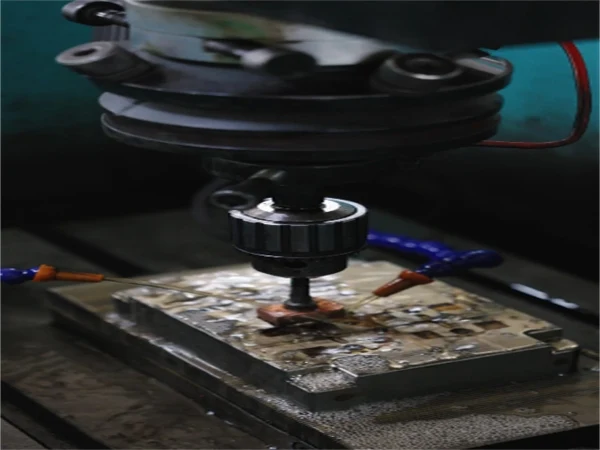
The prototype stage is where an electric shaver idea starts to become a real product. Before moving into mass production, manufacturers create a sample model to check if the design, structure, and functions work as expected. This step helps discover possible problems early and gives brands a chance to make improvements before investing in large quantities.
The process usually begins with reviewing product requirements, such as shaving performance, appearance, battery life, charging method, and user experience. Engineers then create initial designs and select suitable materials for different parts, including the housing, blades, motor, and electronic components. After the design is confirmed, a prototype is produced for hands-on testing.
For example, a brand may want to develop a compact electric плаза for travelers. The first prototype may look good but could feel uncomfortable when held for a long time, or the battery position may make the product feel unbalanced. Through testing, engineers can adjust the shape, internal layout, or weight distribution to improve the overall experience.
Sample testing covers many areas. The shaving head is checked for smooth movement and cutting performance, while the motor is tested for noise level and power stability. Battery tests help confirm charging speed, usage time, and safety. Waterproof models also go through water resistance checks to make sure they can handle daily use.
Testing is not only about finding problems but also about improving details that affect customers. Small changes, such as adjusting the grip texture or improving the blade angle, can make the shaver easier and more comfortable to use.
A careful prototype and testing process helps create a reliable foundation for production. Once the sample meets the expected standards, the design can move forward with more confidence toward tooling, manufacturing, and large-scale production.
Mass Production with Strict Quality Control
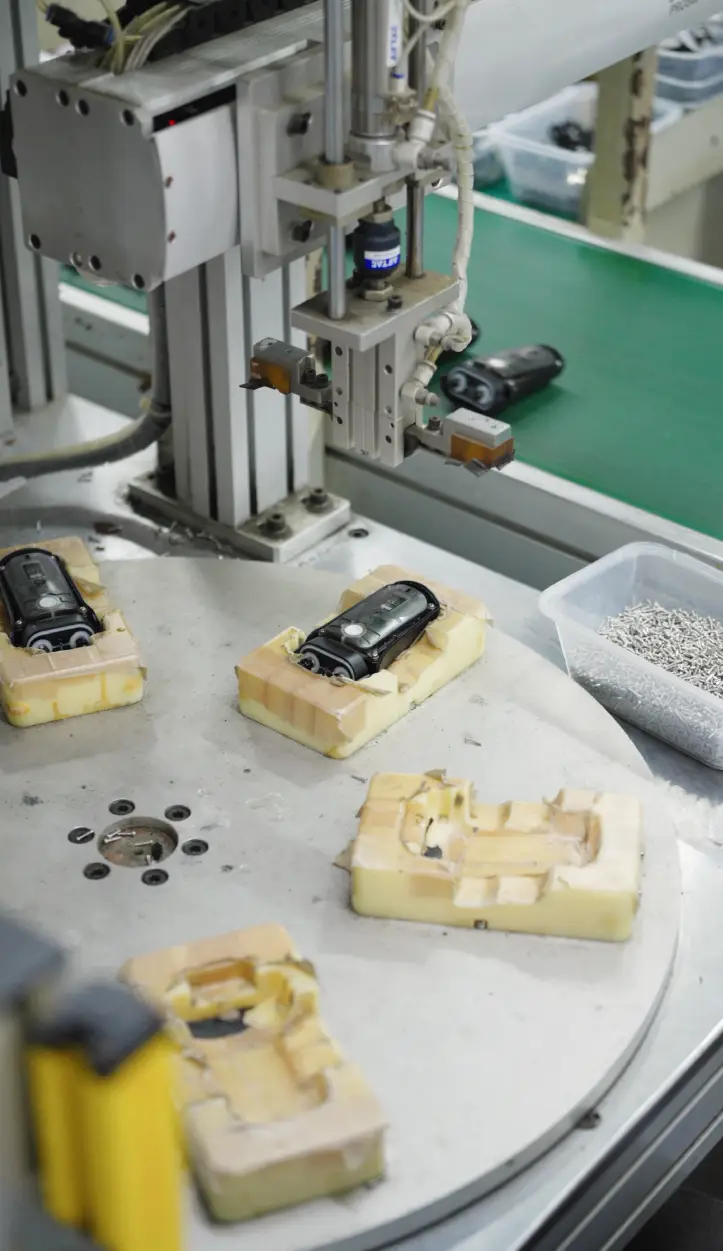
After the prototype has been approved and all tests are completed, the electric риштароши фолгаӣ moves into the mass production stage. This is where the product is manufactured in large quantities while keeping the same design, performance, and quality level as the approved sample. A well-organized production process helps ensure that every unit delivered to customers meets the expected standards.
Before production begins, the manufacturing team prepares molds, production equipment, raw materials, and assembly procedures. Each part of the shaver, including the outer shell, shaving head, motor, battery, and circuit board, needs to be produced with consistent accuracy. Small differences between parts can affect the final performance, so careful control is needed throughout the process.
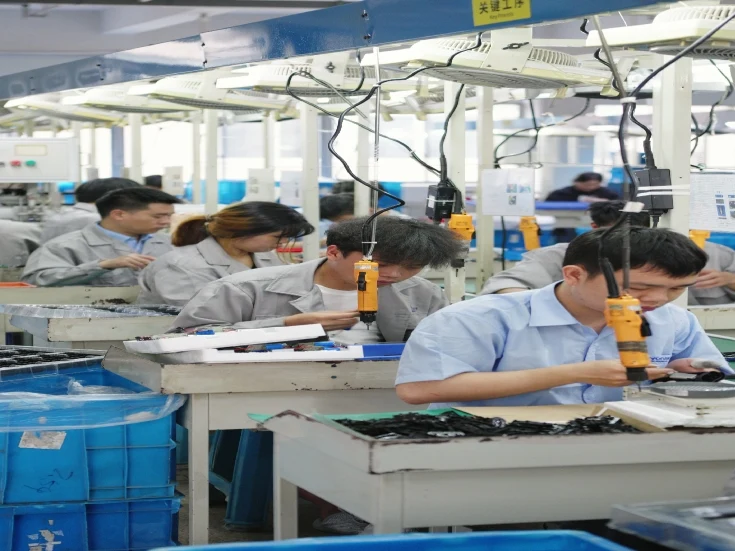
Quality checks are carried out at different stages of production. Incoming materials are inspected before they enter the factory to confirm they meet requirements. During assembly, workers and automated systems check key points such as motor installation, blade alignment, charging function, and waterproof performance. Finished products are also tested before packaging and shipping.
For example, if a factory produces thousands of rechargeable electric shavers, random units from each production batch may go through battery life tests, drop tests, noise checks, and shaving performance tests. These inspections help find issues before products reach the market.
A strong quality control system also includes tracking and improving production problems. If a small issue appears, such as a loose connection or unusual motor noise, the production team can review the process, find the cause, and make adjustments quickly. This prevents the same problem from affecting a large number of units.
Mass production is not only about making products faster. It is about maintaining reliable quality while meeting delivery schedules. With proper production management and strict inspection steps, an риштарошии электрикии фольга OEM project can move from a successful prototype to a stable product ready for customers around the world.
Customized Packaging and Global Shipment
Once electric shavers complete production and quality inspections, the next step is preparing them for the market. Packaging is not only used to protect the product during transportation but also plays an important role in how customers first experience the brand. A well-designed package helps present the product clearly while making sure the shaver arrives safely at its destination.
During the packaging stage, OEM manufacturers work with brands to create suitable packaging based on their market needs. This may include custom box designs, brand logos, user manuals, charging cable placement, and product accessories. The packaging structure also needs to provide enough protection to prevent damage caused by movement, pressure, or long-distance shipping.
For example, a brand selling electric shavers through online stores may need packaging that is lightweight but strong enough for delivery services. A retail brand placing products on store shelves may focus more on attractive designs and clear product information to help customers understand the features quickly.
Before shipment, finished products usually go through final checks. The team confirms product quantity, packaging quality, labels, and shipping documents. This step helps avoid problems such as missing accessories, incorrect labels, or damaged boxes during delivery.
Shipping worldwide needs good planning, as items can move through many countries. OEM partners usually help with export paperwork, pick the best way to ship, and handle delivery timing. For big orders, shipping by sea helps save money. Small or time-sensitive shipments often go by air.
A reliable shipment process helps brands maintain stable supply and meet customer demand. Whether a company is launching its first electric shaver product or expanding into new markets, proper packaging and logistics management help create a smoother path from factory production to the final customer.
Ширкати Yiwu JiHong Electric Appliance Co., Ltd. 27 апрели соли 2017 таъсис ёфтааст ва соҳиби ду бренди мустақил: "Lenrood" ва "Coobo" мебошад. Ширкат, ки асосан ба тақсимоти офлайнӣ ва каналҳои яклухт тамаркуз мекунад, зиёда аз 30 сол таҷрибаи амиқ дар соҳаи асбобҳои рӯзгор дорад ва даромади солонаи фурӯши он тақрибан 1 миллиард юанро ташкил медиҳад. JiHong, ки бо тарҳҳои услубӣ, сифати олӣ ва хусусиятҳои интеллектуалии худ машҳур аст, доираи васеи маҳсулот, аз ҷумла асбобҳои нигоҳубини шахсии мӯд, маҳсулоти нигоҳубини даҳон, дастгоҳҳои саломатӣ ва некӯаҳволӣ ва асбобҳои хурди ошхонаро пешниҳод мекунад. Ширкат ба таҳқиқот ва рушд, навоварӣ ва назорати сифат таъкид мекунад ва навовариҳои пайвастаи маҳсулот, густариши бозор ва хидматрасонии боэътимоди пас аз фурӯшро таъмин мекунад. Он барои табдил шудан ба як нишондиҳанда дар саноати асбобҳои хурди интеллектуалии давраи нав саъй мекунад. JiHong, ки бо роҳнамоии принсипҳои "технологияи инноватсионӣ, сифати истисноӣ ва фарҳанги гарми муштариён нигаронидашуда" аст, кӯшиш мекунад, ки таҷрибаҳои ғайриоддӣ ва дилгармкунандаро пешниҳод кунад ва ба ҳаёти корбарон "ҳарорат"-и бештар зам кунад.