®


 EN
 AR
 BG
 HR
 CS
 DA
 NL
 FI
 FR
 DE
 EL
 HI
 IT
 JA
 KO
 NO
 PL
 PT
 RO
 RU
 ES
 SV
 IW
 ID
 LV
 LT
 SR
 SK
 SL
 UK
 VI
 ET
 HU
 TH
 TR
 FA
 MS
 BE
 HY
 AZ
 KA
 MN
 MY
 KK
 TG
 UZ
 KY

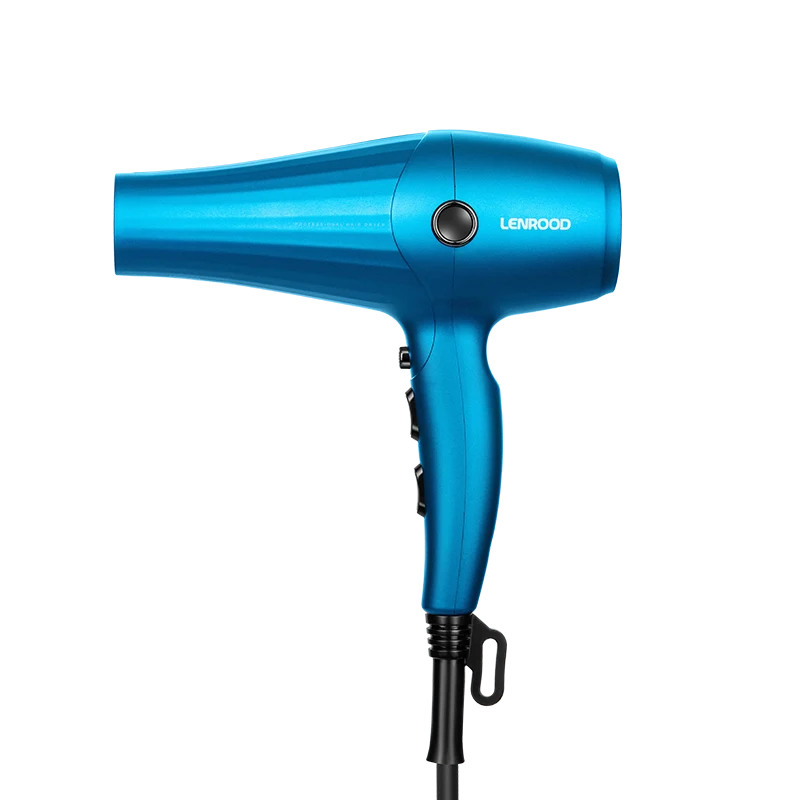
While a hair dryer is seemingly a very simple appliance, the manufacturing of such a device involves quite a complex process, during which the heating, airflow, electrical, and durable characteristics have to be tightly controlled. All of the stages from choosing the motor and heater to assembling the housing and checking the finished product have some effect on the performance of the Hair Dryer in its operation. A minor problem, like a bad connection or poor heating control, will cause overheating, bad airflow, or premature failure. The manufacturing process has to involve careful assembly and frequent testing of the appliances produced. This guide will describe the most important stages of manufacturing and testing of commercial hair dryers.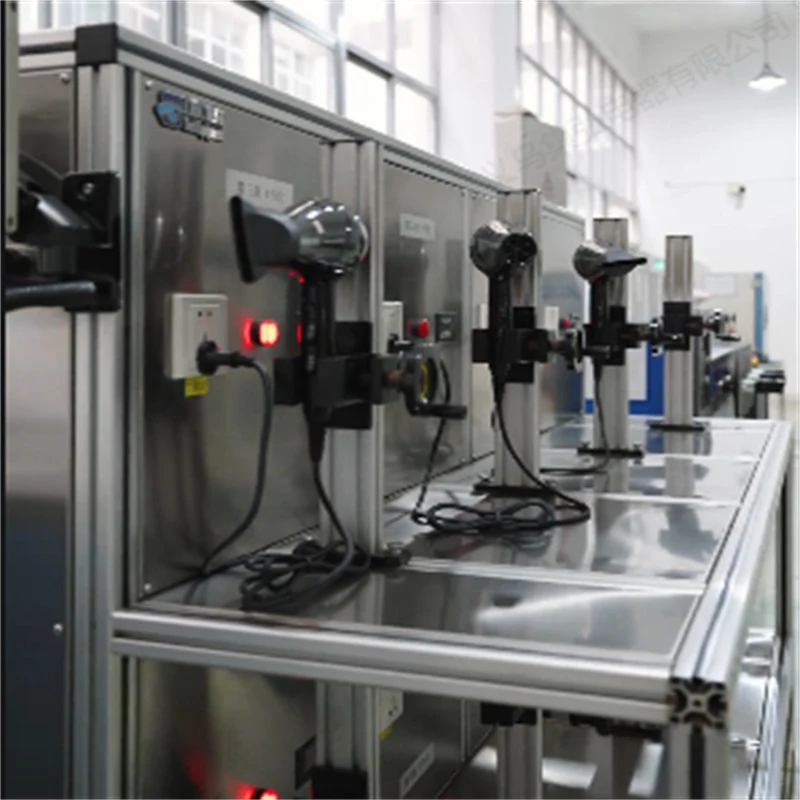
Complete Hair Dryer Manufacturing Process from Components to Finished Products
The manufacturing process starts with incoming components such as the motor, heating element, fan, housing, power cord, switches, thermal protection parts, and screws. Each batch should be checked before production begins, since a small defect in one component can affect the finished dryer. During assembly, workers or automated stations install the motor and fan, connect the heating system and wiring, fit the control switches, and close the housing. The unit is then checked for correct airflow, heat output, electrical connections, and basic appearance. For example, if a salon orders hundreds of dryers, checking components before assembly can help prevent the same problem from appearing across the whole batch.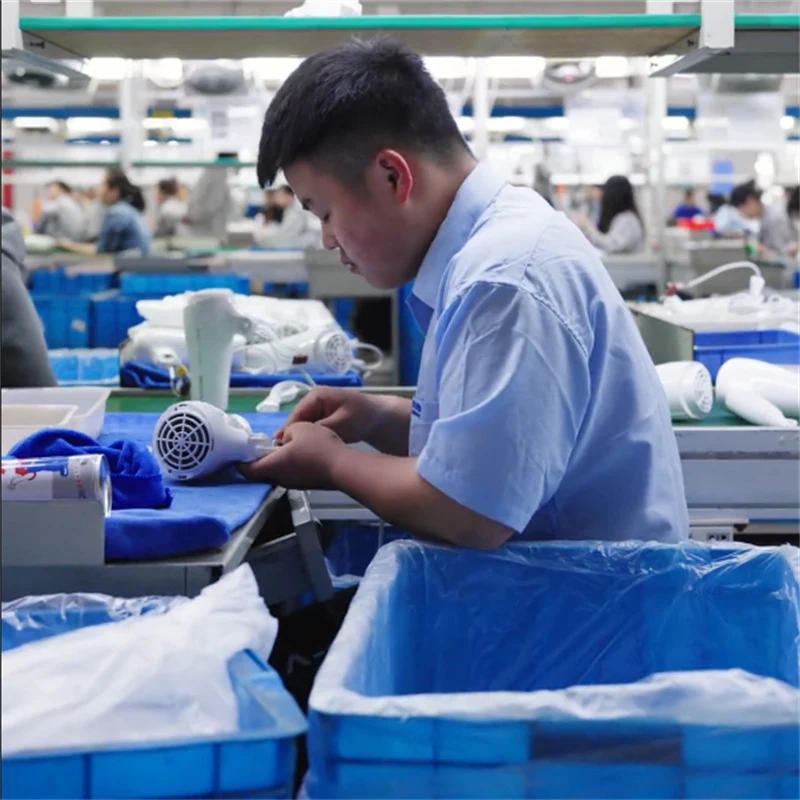
Strict Quality Inspection at Every Stage of Production
Quality inspection should not be left until the final assembly line. Commercial hair dryers need checks at several points, starting with incoming components and continuing through assembly and final testing. Inspectors may check motor performance, heating elements, wire connections, switches, plastic parts, and insulation before these parts move to the next stage. During assembly, they can watch for loose screws, poor wiring, gaps in the housing, or parts that do not fit correctly. Finished hair dryer machine then go through electrical safety, airflow, temperature, noise, and operating tests. For example, if a batch shows weak airflow during testing, the factory can trace the issue back to the motor or fan assembly instead of shipping the problem to customers.
Advanced Testing Procedures for Performance and Safety Assurance
Advanced testing gives manufacturers a clearer picture of how a commercial hair dryer will behave during long working hours. Beyond basic power and airflow checks, testers can run the dryer for extended periods to watch for overheating, unstable motor speed, or changes in heat output. Electrical safety tests can check insulation, leakage current, grounding, and resistance to abnormal operating conditions. Mechanical tests may cover switch life, power-cord bending, drop resistance, and repeated use of moving parts. For example, a salon dryer may be switched on and off many times during a busy day, so testing should reflect that kind of use rather than only checking a brand-new unit.
Yiwu JiHong Electric Appliance Co., Ltd. was established on April 27, 2017, and owns two independent brands: "Lenrood" and "Coobo." Primarily focused on offline distribution and wholesale channels, the company has over 30 years of experience in the home appliance industry, with annual sales revenue of approximately 1 billion CNY. Known for its stylish designs, superior quality, and smart features, JiHong offers a wide range of products, including fashionable personal care appliances, oral care products, health and wellness devices, and small kitchen appliances. The company emphasizes R&D, innovation, and quality control, ensuring continuous product innovation, market expansion, and reliable after-sales service. It is committed to becoming a benchmark in the new-era smart small appliance industry. Guided by the principles of "innovative technology, exceptional quality, and warm customer-centric culture," JiHong strives to deliver extraordinary and heartwarming experiences, bringing more warmth to everyday life.