®


 EN
 AR
 BG
 HR
 CS
 DA
 NL
 FI
 FR
 DE
 EL
 HI
 IT
 JA
 KO
 NO
 PL
 PT
 RO
 RU
 ES
 SV
 IW
 ID
 LV
 LT
 SR
 SK
 SL
 UK
 VI
 ET
 HU
 TH
 TR
 FA
 MS
 BE
 HY
 AZ
 KA
 MN
 MY
 KK
 TG
 UZ
 KY

The production of large numbers of salon hair dryers requires much more than just skilled labor and good parts. If a large number of Hair Dryer have to be manufactured in one day, even a slight delay or loose connection will affect the entire lot. The use of automated assembly lines enables producers to ensure the proper conduct of all stages of production, including mounting motors and heating elements, assembling of housing, wiring, screw fastening, and testing. At the same time, the right assembly line helps give a worker his part while machines do routine work.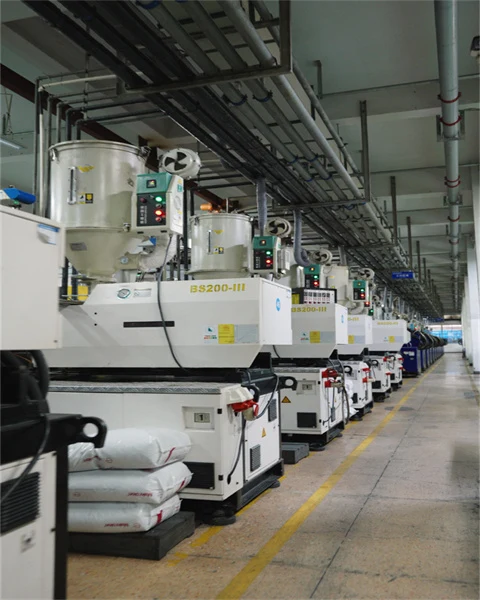
Efficient Automated Production Lines for High-volume Hair Dryer Manufacturing
An efficient automated production line helps a hair dryer factory handle large orders without letting speed affect consistency. Instead of having workers complete every task by hand, the production process can be divided into clear stations. Machines can handle repetitive jobs such as screw fastening, component positioning, wire connection, and basic function checks, while workers focus on inspection and tasks that need more judgment. For example, when a salon equipment buyer orders several thousand dryers for different branches, a balanced assembly line can keep units moving at a steady pace rather than creating piles of unfinished products between stations. Before setting up the line, manufacturers should check the expected daily output, product design, cycle time, staffing needs, and testing requirements. This makes it easier to match the equipment and workflow to actual production demand.
Flexible Manufacturing Capability for OEM and Private Label Brands
OEM and private label brands often need hair dryers that match their own market, not a standard product with a different logo. Flexible manufacturing makes this easier by allowing changes to product design, colors, materials, controls, packaging, and branding while keeping the main production process organized. For example, a salon equipment brand may want a lightweight dryer with a specific handle shape, while a hotel supplier may prefer a simpler model with a wall-mounted holder and custom packaging. A flexible factory can adjust the assembly setup for these different requirements without rebuilding the entire production line. When planning an OEM or private label project, start by listing the required changes, expected order volume, target market, and testing standards. This gives the production team a clear guide before mass assembly begins.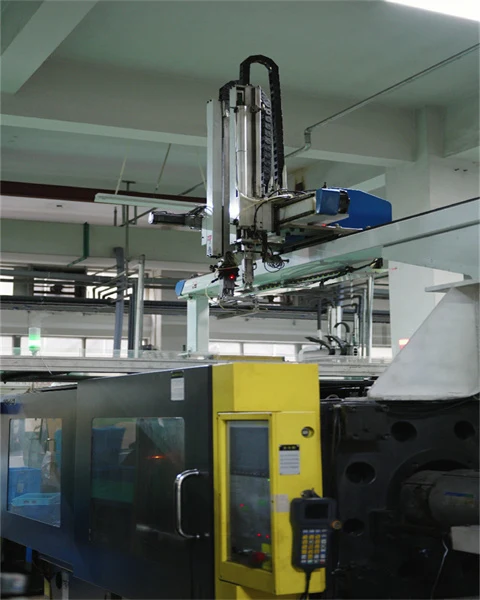
From Assembly to Packaging: A Complete Factory Workflow
A complete factory workflow for salon hair dryer machine should keep every stage connected, from assembly to final packaging. After the motor, heating element, fan, wiring, switches, and housing are assembled, each unit can move through electrical and performance checks before reaching the packing area. Workers or automated equipment can check power, heat, airflow, noise, and basic safety functions. Once a dryer passes inspection, the next steps usually include cleaning, labeling, accessory matching, and packaging. For example, a batch prepared for a salon chain may need the same dryer model packed with different manuals or accessories for different markets. Keeping these steps in a clear order reduces mix-ups and makes large-volume production easier to manage.
Yiwu JiHong Electric Appliance Co., Ltd. was established on April 27, 2017, and owns two independent brands: "Lenrood" and "Coobo." Primarily focused on offline distribution and wholesale channels, the company has over 30 years of experience in the home appliance industry, with annual sales revenue of approximately 1 billion CNY. Known for its stylish designs, superior quality, and smart features, JiHong offers a wide range of products, including fashionable personal care appliances, oral care products, health and wellness devices, and small kitchen appliances. The company emphasizes R&D, innovation, and quality control, ensuring continuous product innovation, market expansion, and reliable after-sales service. It is committed to becoming a benchmark in the new-era smart small appliance industry. Guided by the principles of "innovative technology, exceptional quality, and warm customer-centric culture," JiHong strives to deliver extraordinary and heartwarming experiences, bringing more warmth to everyday life.