®


 EN
 AR
 BG
 HR
 CS
 DA
 NL
 FI
 FR
 DE
 EL
 HI
 IT
 JA
 KO
 NO
 PL
 PT
 RO
 RU
 ES
 SV
 IW
 ID
 LV
 LT
 SR
 SK
 SL
 UK
 VI
 ET
 HU
 TH
 TR
 FA
 MS
 BE
 HY
 AZ
 KA
 MN
 MY
 KK
 TG
 UZ
 KY

A bulk order may cause considerable stress to the production staff. In case the client requires thousands of Razor products within a specific timeframe, a slow machine, regular shift from one item to another, or any other unforeseen circumstances may result in delays. In case there are 10 automatic production lines in a factory, it will have a better base in managing such orders since production can be conducted by using several lines, not one production line. However, it does not necessarily mean that more machines will be able to do that. They should be correctly planned, supplied, maintained and controlled.
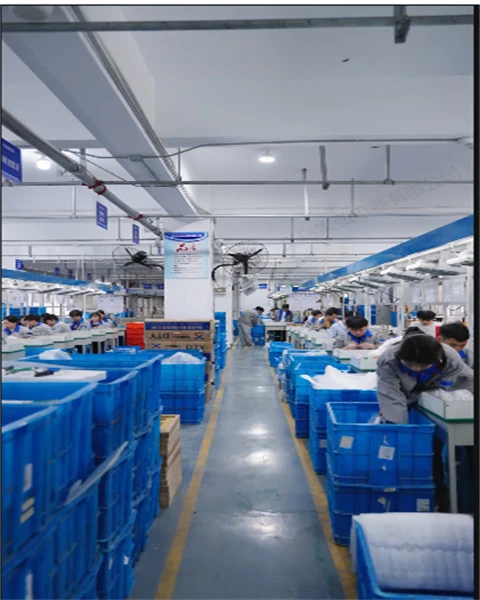
10 Automatic Production Lines Supporting Reliable Supply Capacity
Having 10 automatic production lines gives a factory more room to handle large orders without putting all the work on one line. Each line can run a planned quantity while production teams monitor output, materials, and quality at the same time. For example, if a customer suddenly increases an order from 5,000 to 10,000 units, the factory can assign more lines to the order instead of simply extending working hours on one line. This setup can also help reduce the impact of equipment maintenance or unexpected stoppages. To keep supply stable, the factory should balance workloads across the 10 lines, schedule regular maintenance, and keep enough key materials ready before production starts.
Built for Large-Volume Production
Large orders require more than simply increasing production hours. Without sufficient equipment and production capacity, manufacturers can face delays, inconsistent output, and difficulties meeting customer demand. Our 10 automatic production lines provide the capacity needed to handle high-volume orders efficiently. By distributing production across multiple lines, we can maintain a steady workflow and respond more effectively to different order requirements. This production setup allows us to support both regular customers with ongoing demand and clients with larger one-time orders.
Flexible Production Solutions for Different Order Requirements
Not every customer places the same type of order, so a production system needs to handle different quantities, schedules, and product requirements. A flexible factory setup makes it easier to adjust production without creating unnecessary delays. For a smaller order, only a few production lines may be needed, while a large project can use several lines at the same time. Production plans can also be changed when a customer needs different models, packaging, or delivery dates. For example, a buyer ordering several product versions may have each version scheduled in separate batches. This approach helps keep production organized while giving customers more practical choices.
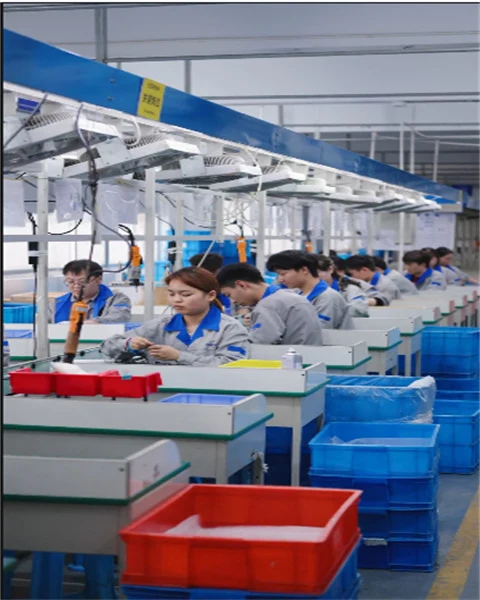
Efficient Supply Chain Management for On-time Delivery
A stable supply chain is just as important as electric foil shaver production capacity when handling large-volume orders. Even when a factory has enough production lines, delays can happen if raw materials arrive late, packaging is not ready, or finished goods are held up during transportation. Good supply chain management starts with checking material needs before production begins and setting clear delivery schedules with suppliers and logistics partners. For example, if a buyer needs 20,000 units by the end of the month, the factory can plan material deliveries in advance and prepare finished products in batches. Tracking each stage helps the team spot possible delays early and make adjustments before they affect the final shipment.
Yiwu JiHong Electric Appliance Co., Ltd. was established on April 27, 2017, and owns two independent brands: "Lenrood" and "Coobo." Primarily focused on offline distribution and wholesale channels, the company has over 30 years of experience in the home appliance industry, with annual sales revenue of approximately 1 billion CNY. Known for its stylish designs, superior quality, and smart features, JiHong offers a wide range of products, including fashionable personal care appliances, oral care products, health and wellness devices, and small kitchen appliances. The company emphasizes R&D, innovation, and quality control, ensuring continuous product innovation, market expansion, and reliable after-sales service. It is committed to becoming a benchmark in the new-era smart small appliance industry. Guided by the principles of "innovative technology, exceptional quality, and warm customer-centric culture," JiHong strives to deliver extraordinary and heartwarming experiences, bringing more warmth to everyday life.