®


 EN
 AR
 BG
 HR
 CS
 DA
 NL
 FI
 FR
 DE
 EL
 HI
 IT
 JA
 KO
 NO
 PL
 PT
 RO
 RU
 ES
 SV
 IW
 ID
 LV
 LT
 SR
 SK
 SL
 UK
 VI
 ET
 HU
 TH
 TR
 FA
 MS
 BE
 HY
 AZ
 KA
 MN
 MY
 KK
 TG
 UZ
 KY

Nose hair may seem minor, but it can affect how clean and confident you feel. Removing it the wrong way can be uncomfortable, messy, or even risky, and many people struggle to find an easy method. The good news is there's a simple approach that makes trimming quick, safe, and effective without causing irritation or bleeding. By using the right tool and technique, you can keep your nose neat, maintain hygiene, and avoid the common mistakes most people make.
Why Proper Nose Hair Removal Matters for Hygiene and Appearance

Nose hair often gets a bad reputation, but it actually plays an important role in protecting your health by filtering dust, pollen, and other particles before they reach your lungs. That said, when nose hair grows too long or becomes visible, it can affect your appearance and make you feel self-conscious. Keeping it under control isn't just about looks it's also about hygiene. Many people avoid trimming because they think it's uncomfortable or unnecessary, but leaving nose hair unmanaged can lead to a buildup of trapped dirt, which isn't ideal for your respiratory system. At the same time, pulling hairs the wrong way can cause pain, nosebleeds, or even infections. Using a proper trimming tool, like a small rounded-tip trimmer, allows you to manage nose hair safely, keeping your nose clean while maintaining the natural protective barrier it provides. Regular trimming also boosts confidence, helping you feel comfortable in social or professional settings without worrying about stray hairs. People who trim gently often notice immediate benefits, as the process is quick, painless, and avoids irritation. Over time, consistent care prevents overgrowth, improves comfort, and encourages better personal hygiene. In short, taking a few moments for proper nose hair care is a simple but important step in staying healthy and feeling confident in everyday life.
The Best Tool for the Job: Choosing a Safe and Efficient Nose Hair Trimmers
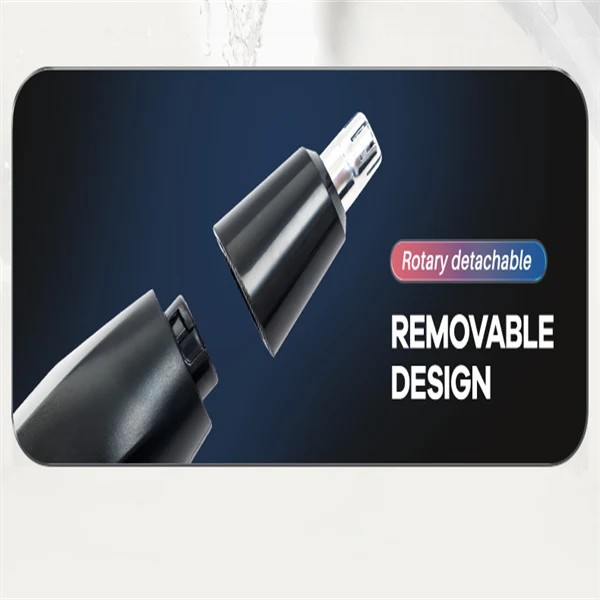
Choosing the right tool is essential for safe and effective nose hair removal , as using the wrong method can cause discomfort, bleeding, or even infection. Scissors, tweezers, and plucking often do more harm than good, risking cuts to the sensitive inner skin or pulling hairs too forcefully. For most people, an electric nose hair trimmer designed for the task is the best option. A quality trimmer typically has a rounded or protective tip that keeps the blades from touching delicate skin, making the process painless even for beginners. Many are battery-operated or rechargeable, and their small size allows you to reach all areas safely. Some models even include attachments for eyebrows or ear hair, adding versatility to your grooming routine. When choosing a trimmer, consider ease of cleaning, such as detachable or washable heads, which prevent buildup and keep the device hygienic, while a quiet motor adds convenience. Using the trimmer correctly is just as important: sit in a well-lit area, tilt your head slightly, and trim slowly, focusing only on visible or bothersome hairs, and avoid pushing the device too far into your nostrils. With the right tool and careful technique, nose hair removal becomes quick, safe, and stress-free, keeping your nose clean, your face neat, and avoiding common mistakes that make grooming uncomfortable or risky.
Step-by-Step Guide to Safe and Effective Removal
Removing nose hair safely is easy if you follow a simple routine. Start with the right tool a small electric trimmer with a rounded tip works best. Sit in front of a well lit mirror and tilt your head slightly upward so you can clearly see the hairs you need to trim. Begin by gently cleaning your nose with a soft tissue or slightly damp cloth to remove dust or mucus, which helps prevent irritation or infection. Turn on the trimmer and work slowly, focusing only on visible hairs at the nostril opening. Avoid pushing the trimmer too far inside and use small, controlled circular motions to catch hairs from all angles. Pay attention to comfort; if you feel any tugging, adjust your angle. Remember, the goal isn't to remove every hair those inside help filter dust and allergens so trim only what sticks out or feels excessive. After trimming, gently blow your nose to clear loose hairs and clean the trimmer according to the manufacturer's instructions to keep it hygienic and effective. Making nose hair trimming part of your regular grooming, usually every few weeks, ensures your nose stays neat and healthy. By following these steps, you can safely and comfortably manage nose hair, avoid common mistakes like plucking or over trimming, and turn this simple task into a quick, stress-free part of your self-care routine.
Yiwu JiHong Electric Appliance Co., Ltd. was established on April 27, 2017, and owns two independent brands: "Lenrood" and "Coobo." Primarily focused on offline distribution and wholesale channels, the company has over 30 years of experience in the home appliance industry, with annual sales revenue of approximately 1 billion CNY. Known for its stylish designs, superior quality, and smart features, JiHong offers a wide range of products, including fashionable personal care appliances, oral care products, health and wellness devices, and small kitchen appliances. The company emphasizes R&D, innovation, and quality control, ensuring continuous product innovation, market expansion, and reliable after-sales service. It is committed to becoming a benchmark in the new-era smart small appliance industry. Guided by the principles of "innovative technology, exceptional quality, and warm customer-centric culture," JiHong strives to deliver extraordinary and heartwarming experiences, bringing more warmth to everyday life.