®


 EN
 AR
 BG
 HR
 CS
 DA
 NL
 FI
 FR
 DE
 EL
 HI
 IT
 JA
 KO
 NO
 PL
 PT
 RO
 RU
 ES
 SV
 IW
 ID
 LV
 LT
 SR
 SK
 SL
 UK
 VI
 ET
 HU
 TH
 TR
 FA
 MS
 BE
 HY
 AZ
 KA
 MN
 MY
 KK
 TG
 UZ
 KY

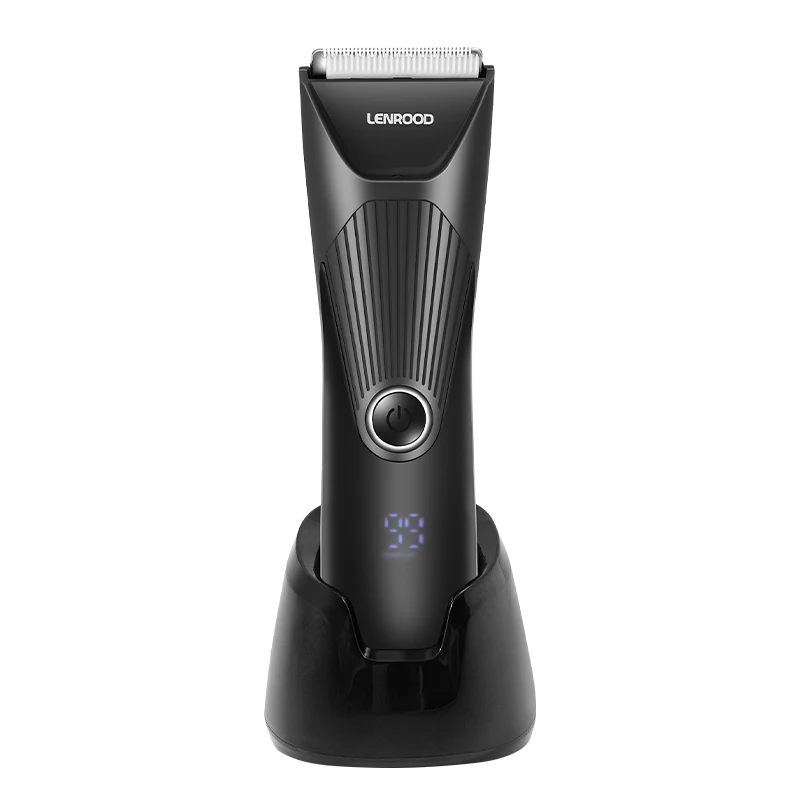
Keeping your hair clipper in good condition not only makes haircuts smoother but also saves time, money, and frustration over time. A well-maintained clipper cuts cleanly, runs efficiently, and lasts much longer than one that's neglected. Many people overlook regular cleaning and lubrication, which can lead to dull blades, uneven cuts, and even motor problems. Fortunately, caring for your clipper is simple. Spending just a few minutes on routine maintenance after each use can keep it performing like new for years.
Regular Cleaning After Each Use to Remove Hair and Debris
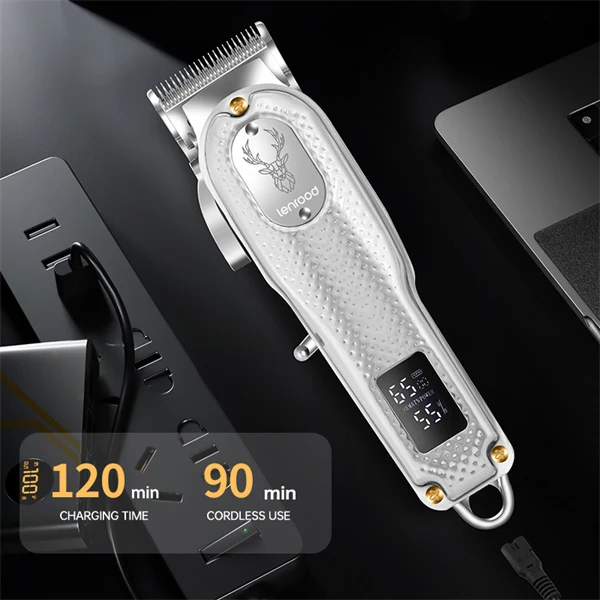
Regular cleaning after every haircut is essential for keeping your hair clipper in top condition and ensuring smooth, precise cuts. Hair, dust, and skin oils can quickly accumulate between the blades and inside the clipper , slowing it down and forcing the motor to work harder, which can shorten its lifespan. To clean properly, start by unplugging the clipper or removing the battery if it's cordless. Use the small brush that usually comes with the clipper to sweep away hair from the blades, guards, and any crevices, making sure to clean both the top and bottom of the blade where tiny clippings can hide. For a more thorough clean, remove the blade if your model allows it and brush out any trapped hair. Some clippers are waterproof or designed to handle a quick rinse under running water; if yours is, wash the blades carefully and dry them completely before reassembling. Non-waterproof models should be cleaned with brushing and wiping using a dry or slightly damp cloth. Wiping down the body of the clipper removes oils and dust, keeping it looking good and preventing buildup that could affect performance. Cleaning right after each use prevents clogs, reduces friction between blades, and keeps haircuts precise. Over time, this simple routine not only makes your clipper more reliable but can also double its lifespan, saving money and ensuring every cut is smooth and professional.
Oil the Blades Regularly for Smooth Operation and Reduced Friction
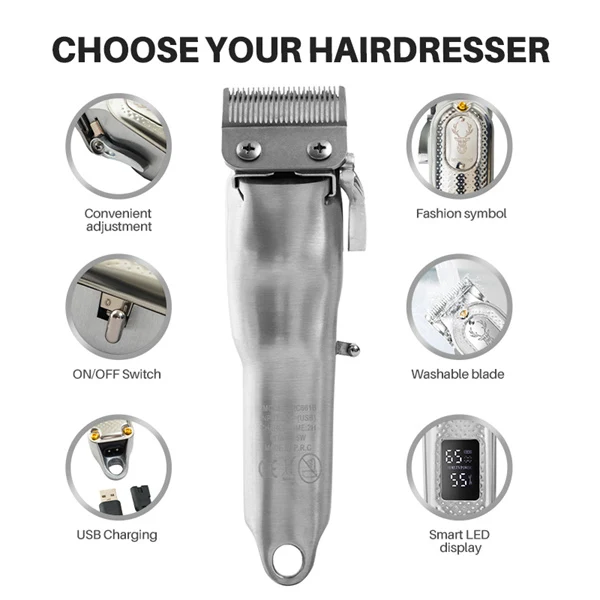
Oiling your clipper blades regularly is one of the simplest ways to keep them cutting smoothly and extend their lifespan. When blades run dry, friction builds up, which dulls the edges faster and forces the motor to work harder, potentially causing overheating and wear. Just a few drops of clipper oil after each use can make a noticeable difference. To oil your clipper, make sure it's turned off and unplugged, then place a few drops along the teeth of both the top and bottom blades. Turning the clipper on for a few seconds allows the oil to spread evenly, reducing friction and ensuring the entire cutting edge is coated. For clippers used frequently, adding a weekly oiling in addition to after-use care helps maintain peak performance. It's important to use oil specifically designed for clippers rather than household oils, which can gum up blades and damage the motor. Regular oiling also prevents rust, which is especially helpful if the clipper is stored in a humid bathroom. Well-oiled blades glide through hair easily, producing smoother, quieter cuts with less pulling. Making oiling a consistent part of your routine is a small effort that pays off with better performance, longer-lasting blades, and a clipper that feels almost new every time you use it.
Check and Tighten Screws Periodically to Avoid Loose Parts
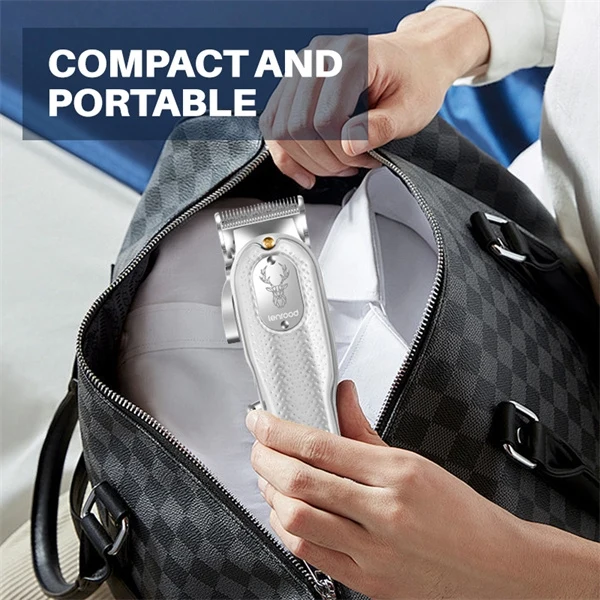
Loose screws may seem minor, but over time they can affect your clipper's performance and even damage the blades or motor. Everyday use causes vibrations that can slowly loosen screws on the blade assembly, housing, or motor, leading to uneven cuts, rattling noises, or parts coming apart. Checking and tightening screws regularly is a simple way to prevent these issues. Start by unplugging the clipper or removing the battery, then use the correct screwdriver to gently check all visible screws on the blade and body. Screws should be snug tight enough that nothing wobbles but not so tight that you risk stripping threads or cracking plastic. Don't forget the tiny screws inside removable blade assemblies, which can loosen over time, especially if you remove the blade frequently for cleaning or oiling. Keeping them secure ensures the blades stay aligned for smooth, even cuts. For clippers used in busy households or professional settings, a quick monthly screw check can prevent bigger problems, such as uneven blade movement or motor strain, which can shorten the clipper's lifespan. By making screw inspections part of your maintenance routine, you can avoid surprises during a haircut, reduce the risk of costly repairs, and keep your clipper running reliably, just like when you first bought it.
Yiwu JiHong Electric Appliance Co., Ltd. was established on April 27, 2017, and owns two independent brands: "Lenrood" and "Coobo." Primarily focused on offline distribution and wholesale channels, the company has over 30 years of experience in the home appliance industry, with annual sales revenue of approximately 1 billion CNY. Known for its stylish designs, superior quality, and smart features, JiHong offers a wide range of products, including fashionable personal care appliances, oral care products, health and wellness devices, and small kitchen appliances. The company emphasizes R&D, innovation, and quality control, ensuring continuous product innovation, market expansion, and reliable after-sales service. It is committed to becoming a benchmark in the new-era smart small appliance industry. Guided by the principles of "innovative technology, exceptional quality, and warm customer-centric culture," JiHong strives to deliver extraordinary and heartwarming experiences, bringing more warmth to everyday life.