®


 EN
 AR
 BG
 HR
 CS
 DA
 NL
 FI
 FR
 DE
 EL
 HI
 IT
 JA
 KO
 NO
 PL
 PT
 RO
 RU
 ES
 SV
 IW
 ID
 LV
 LT
 SR
 SK
 SL
 UK
 VI
 ET
 HU
 TH
 TR
 FA
 MS
 BE
 HY
 AZ
 KA
 MN
 MY
 KK
 TG
 UZ
 KY

Frizz can ruin a good hair day, even when using a hair straightener . Achieving smooth, shiny hair isn't just about the tool it's about how you prepare and protect your strands. Skipping a heat protectant, using the wrong temperature, or rushing through sections can leave hair looking frizzy instead of sleek. By taking the right steps, you can tame flyaways and keep your hair polished for hours. No matter if your hair is curly, wavy, or a little unruly, learning how to handle your straightener properly makes all the difference.
Understanding the Causes of Frizz
Understanding why frizz happens is the first step to controlling it. Frizz occurs when the outer layer of your hair, called the cuticle, becomes raised or damaged, allowing moisture from the air to enter unevenly. This causes hair to swell and appear frizzy, with humidity being a major factor on damp days even normally well-behaved hair can puff up and lose its smoothness. Frizz isn't only about weather, though. Over-washing, using harsh shampoos, or skipping conditioner can strip natural oils that keep hair smooth, while heat styling without protection weakens the cuticle over time. Even brushing dry hair with the wrong brush can break strands and create flyaways. Hair type also plays a role: curly and wavy hair frizzes more easily because its natural shape makes it harder for oils to travel from scalp to ends. Fine hair can react to the slightest humidity, while thick hair may become poofy and difficult to manage. Real-life examples show how this plays out someone with shoulder-length waves might see smooth hair right after straightening, only for humidity to cause tiny curls to pop back by mid-afternoon. A person with fine hair might struggle to keep hair sleek all day even indoors. By understanding these causes humidity, damage, dryness, and hair type you can take smarter steps to prep and protect your hair so straightening works effectively and keeps your hair smooth longer.
Pre-Straightening Hair Preparation: Washing, Conditioning, and Drying Tips
How you prepare your hair before straightening plays a big role in keeping frizz under control. It starts in the shower with a gentle shampoo that cleanses without stripping natural oils, since dry hair is more prone to frizz. If your hair is naturally coarse or frizzy, smoothing or moisturizing shampoos work best. Avoid very hot water, which can roughen the cuticle and make hair puffier later. Conditioning is just as important focus on the mid-lengths and ends, the driest areas, and leave it on for a few minutes so it penetrates fully. Rinsing with cool water helps close the cuticle and lock in moisture, creating a smoother base for heat styling. For extra control, a leave-in conditioner or lightweight smoothing cream after towel drying can make a noticeable difference. How you dry your hair matters too: pat gently with a towel instead of rubbing, and if possible let it air-dry partially before using a blow dryer with a nozzle attachment, keeping airflow downward to flatten the cuticle. Moderate heat is key, since high heat too close to the scalp can worsen frizz. Combing wet hair with a wide-tooth comb reduces breakage and keeps strands aligned, helping your straightener glide smoothly. People who skip conditioning often find their hair resists straightening, while those who air-dry partially and use leave-in products usually enjoy smoother, longer-lasting results. These prep steps make frizz easier to manage and set hair up for straightening success.
The Right Technique for Straightening: Temperature Control and Sectioning
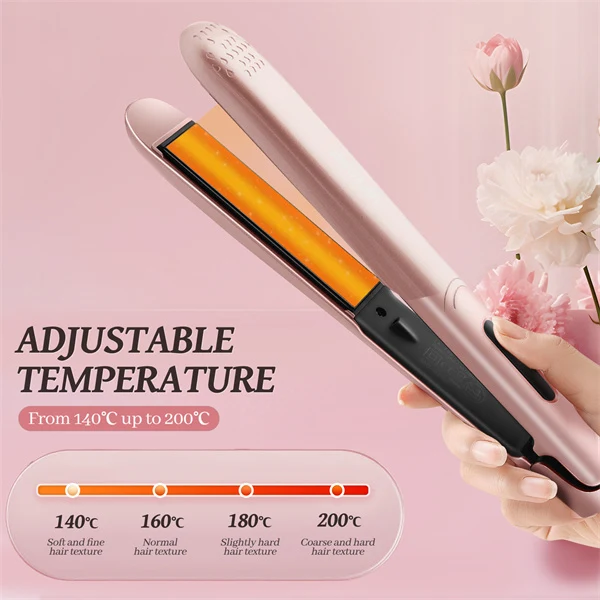
Even the best straightener won't give smooth results if you don't use the right technique. Two key factors are temperature control and sectioning your hair. The goal is to straighten efficiently while avoiding frizz and heat damage. Temperature is important because fine or thin hair only needs lower heat, around 250-300°F (120-150°C), while thicker or coarse hair may require 350-400°F (175-200°C). Too much heat can weaken hair, making it frizzier over time, while too little heat forces multiple passes, which also causes damage. Modern straighteners with adjustable settings allow you to test a small section first to find the right balance. Sectioning your hair properly makes straightening faster and more effective. Divide hair into at least four sections top, sides, and back and clip each section separately. Working in small, even sections ensures each strand gets enough heat to straighten fully without repeated passes, and prevents missed areas that can puff up later. Move the plates slowly and steadily from roots to ends, avoiding clamping too tightly, and for extra smoothness, glide your fingers or a fine tooth comb along the strand right after the straightener. People who try large chunks often end up with uneven hair that frizzes later. Breaking hair into smaller sections and using the correct temperature keeps strands smooth longer, and with practice, sectioning becomes second nature, giving consistent, frizz-free results every time.
Using Heat Protection Products to Shield Hair from High Heat
Using a heat protectant is one of the most important steps for achieving frizz-free straight hair. These sprays, creams, or serums create a barrier between your hair and the high temperatures of a straightener, preventing damage to the cuticle that can leave strands dry, brittle, and prone to frizz. Apply the product to damp hair after washing and conditioning, focusing on the mid-lengths and ends, where hair is driest, and avoid the roots to prevent greasiness. Lightweight sprays work best for fine hair, while thicker or coarse hair benefits from richer creams or serums. Heat protectants also make straightening easier because a coated cuticle allows the straightener to glide smoothly, reducing the number of passes needed and lowering the risk of heat damage. Many products offer extra benefits like humidity resistance, helping hair stay smooth even on damp days. People who skip heat protection often find their hair feels rough and frizzes a few hours after straightening, while those who apply a protective serum enjoy smoother, longer-lasting results with fewer flyaways and less breakage. Though it may seem like a small step, using a heat protectant makes a big difference, shielding hair from damage, controlling frizz, and helping your straightening routine deliver sleek, shiny results every time.
Post-Straightening Care to Lock in Smoothness and Prevent Frizz Rebound
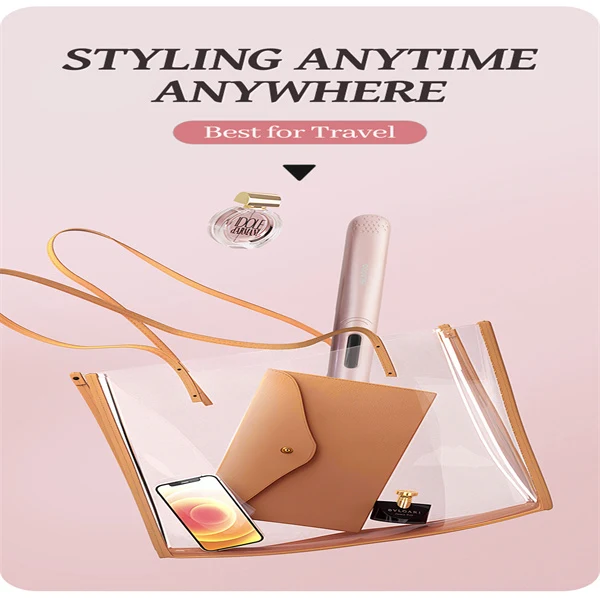
Straightening your hair is just part of the process; how you care for it afterward determines whether your sleek style lasts or quickly frizzes. Post-straightening care focuses on locking in smoothness and protecting hair from moisture, friction, and environmental factors. Start with a light finishing product a small amount of serum or oil on mid-lengths and ends adds shine and tames flyaways without weighing hair down. Anti-humidity sprays can create a thin barrier that keeps strands smooth on damp days. How you handle your hair matters too: brushing roughly or touching it constantly lifts the cuticle and encourages frizz, so use a wide-tooth comb or your fingers to gently separate strands. Sleeping on a silk or satin pillowcase instead of cotton reduces friction, helping hair stay smooth overnight. Environmental factors like wind, rain, and humidity can trigger frizz, so consider tying hair in a loose braid or bun or applying a lightweight anti-frizz spray before heading outdoors. Carrying a small serum in your bag also helps tame flyaways during the day. People who skip finishing products often see frizz appear within hours, while those who apply a lightweight serum and avoid touching their hair can maintain a sleek look all day. With a few simple steps after styling, you can extend your straightened style, keep hair smooth, and prevent frizz from returning too soon.
Table of Contents
- Understanding the Causes of Frizz
- Pre-Straightening Hair Preparation: Washing, Conditioning, and Drying Tips
- The Right Technique for Straightening: Temperature Control and Sectioning
- Using Heat Protection Products to Shield Hair from High Heat
- Post-Straightening Care to Lock in Smoothness and Prevent Frizz Rebound
Yiwu JiHong Electric Appliance Co., Ltd. was established on April 27, 2017, and owns two independent brands: "Lenrood" and "Coobo." Primarily focused on offline distribution and wholesale channels, the company has over 30 years of experience in the home appliance industry, with annual sales revenue of approximately 1 billion CNY. Known for its stylish designs, superior quality, and smart features, JiHong offers a wide range of products, including fashionable personal care appliances, oral care products, health and wellness devices, and small kitchen appliances. The company emphasizes R&D, innovation, and quality control, ensuring continuous product innovation, market expansion, and reliable after-sales service. It is committed to becoming a benchmark in the new-era smart small appliance industry. Guided by the principles of "innovative technology, exceptional quality, and warm customer-centric culture," JiHong strives to deliver extraordinary and heartwarming experiences, bringing more warmth to everyday life.