®


 EN
 AR
 BG
 HR
 CS
 DA
 NL
 FI
 FR
 DE
 EL
 HI
 IT
 JA
 KO
 NO
 PL
 PT
 RO
 RU
 ES
 SV
 IW
 ID
 LV
 LT
 SR
 SK
 SL
 UK
 VI
 ET
 HU
 TH
 TR
 FA
 MS
 BE
 HY
 AZ
 KA
 MN
 MY
 KK
 TG
 UZ
 KY

Hair clippers are easy to use at home, in a simple area with good lighting, whether you are taking care of your own hair or giving someone else a quick haircut. However, hair, dead skin, and oil, alongside other residues, can build up between the blades after every use. If you leave it there, the clippers may become noisy, pull hair, or cut unevenly, making the cut feel rough and uncomfortable. Regular cleaning helps keep the blades sharp, the motor running smoothly, and the tool safe to use, ensuring consistent results in daily grooming. The good news is that maintaining a Hiustenleikkuukone does not take much time, even on busy days. With a few simple steps and the right cleaning supplies, you can keep your clippers in good condition and extend their service life, helping them work longer before any major repairs.
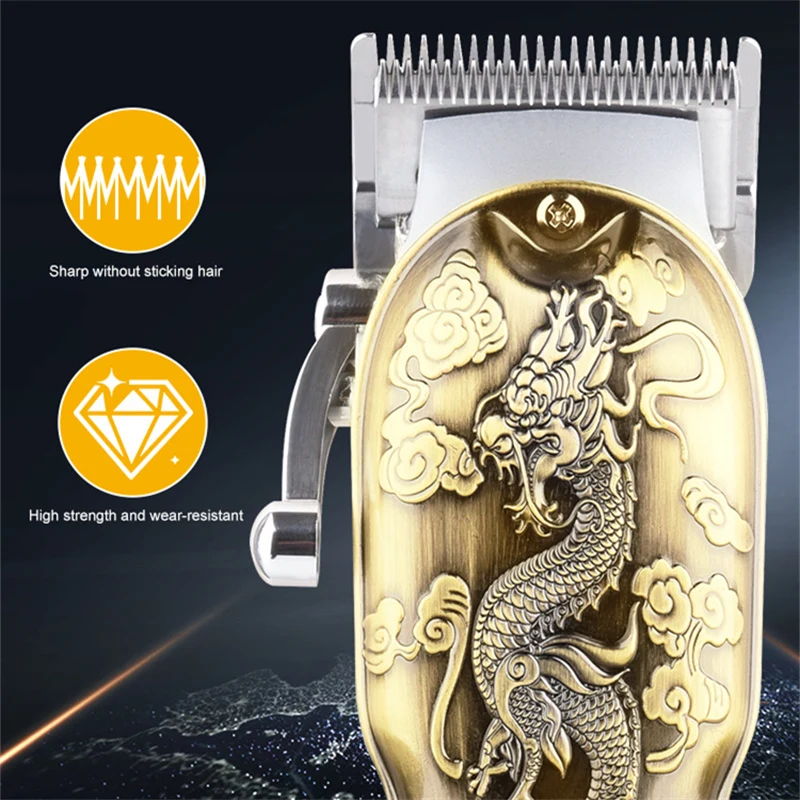
Why Regular Hiustenleikkuukone Cleaning Is Important
Regular cleaning of hair clippers helps them work better and last longer, especially with regular care in everyday use. With every haircut, small strands, dead skin cells, and natural oil can build up between the blades, even during quick trims. If you use styling products or cut thick hair, the buildup may happen faster, especially in busy times or with repeated use. Over time, this dirt can affect the cutting and make your clippers more uncomfortable to use, and reduce comfort during lengthy sessions.
One common sign that your clipper needs cleaning is when it starts pulling hair instead of cutting it cleanly, a signal that many users notice in daily routines. For example, if you are trimming your hair at home in a familiar space and notice that the blades keep catching or leaving uneven patches, trapped hair may be part of the problem. Cleaning the blades and removing the built-up dirt can help restore smoother cutting, for best results, although dull or damaged blades may need to be professionally sharpened or replaced.
Regular cleaning also helps reduce the spread of germs. A hair clipper touches skin, sweat, and natural oil, so a dirty blade can carry unwanted bacteria and fungus from one use to the next, which can be easier to spread in busy environments. This is more important in barbershops, where the same equipment may be used on many customers throughout the day, and not every space stays perfectly clean all the time. Removing visible hair is a good first step, but it does not replace proper disinfecting. Use a clipper-safe disinfectant according to the product's instructions, especially when the tool is shared with other people.
Another reason to clean your clippers is to protect the motor and moving parts. Loose hair and dirt can increase friction between the blades, which can cause extra heat, noise, or wear, and a longer-term issue for the mechanism. If the blades heat up quickly while cutting, stop using the Sähköinen hiusleikkuri and let it cool down before checking for built-up dirt or other problems.
The best approach is to brush off loose hair after every use, disinfect the blades when needed, and apply a small amount of clipper oil as the manufacturer recommends. These simple habits take only a few minutes, but they help your clippers deliver more consistent results and stay in good condition for longer, making daily grooming easier to manage.
How to Remove Hair from Hiustenleikkuukone Blades
Removing trapped hair from the clipper blades is one of the easiest ways to keep your hair clipper working properly. After every haircut, small strands can get stuck between the cutting teeth and around the edges of the blade, which can slow movement. If you leave them, the blades may struggle to move smoothly and start pulling hair on the next trim. A quick cleaning routine helps prevent this buildup and keeps your Sähköinen hiustenleikkuri valmis seuraavaa käyttökertaa varten.
Start by turning off the clipper and unplugging it from the power outlet if it has a cord. If you are using a cordless clipper, turn it off before cleaning. Never brush the blades while the motor is running, because your fingers could be hurt by the moving parts. Let the blades cool down first if they feel hot after a haircut.
Next, use the small cleaning brush that came with your clipper. Gently brush the surface of the blade teeth to loosen visible hair, then brush the side and underside of the cutting blade, where loose strands often collect. Use short, careful strokes instead of pressing with too much force. A soft, clean brush can also work if the original is lost, but avoid brushes that could scratch the blade surface.
If hair stays stuck between the blades, check the manufacturer's instructions to see whether the blade assembly can be removed. Some models have detachable blades, while others need a screw or a special tool. If the blades are designed to be removed, turn off the clipper and follow the recommended removal steps. Brush to remove the trapped hair, then put the blades back properly before using the tool again. Avoid taking the blade assembly apart unless the manufacturer allows it.
For stubborn buildup, do not use sharp objects such as needles or knives to dig between the teeth. This can damage the blades or cause injury. Also, do not rinse the whole clipper under running water unless the model is specifically designed to be washable.
Once the hair is removed, apply clipper oil as directed by the manufacturer and run the clipper briefly so the oil spreads across the blades. Wipe off the excess oil before putting it away. Making this a habit after every haircut can help prevent buildup, reduce friction, and keep your clipper cutting smoothly.
How to Clean and Disinfect Hiustenleikkuukone Blades
Cleaning and disinfecting hair clipper blades are two important steps for keeping your clipper clean and ready for the next haircut. Cleaning removes loose hair, bits of skin, and oil, while disinfecting helps reduce harmful germs on the blade surfaces. Both steps matter, especially if you share the clipper with family members or use it in a barbershop. The key is to use the right product and follow a safe routine without damaging the blades or the clipper's motor.
Start by turning off the clipper and unplugging it if it has a power cord. For a cordless model, turn it off before touching the blades. If the blades feel hot after use, let them cool down first. Use a small cleaning brush to remove hair trapped between the teeth and along the edges of the blade assembly. If your model has detachable blades, follow the manufacturer's instructions to remove them for a more thorough cleaning.
Once the loose hair is gone, check the blade manufacturer's instructions for an approved cleaning and disinfecting product. A clipper blade spray designed for this purpose is often practical because it can help remove dirt and disinfect the blade when used as directed. Some products also help lubricate the blades, but not every disinfectant provides lubrication, so check the label.
Apply the product according to the instructions, making sure the blade surfaces get the required contact time. Do not assume that one quick spray is enough. If the label says the surface must stay wet for a certain length of time, follow that direction. Avoid household cleaners or strong chemicals that could damage the metal, plastic, or protective coating.
After disinfecting, let the blades dry as instructed. Apply a few drops of clipper oil if the manufacturer recommends it, especially if the disinfectant does not contain a lubricant. Run the clipper briefly when it is safe to do so, then wipe off the excess oil with a clean cloth.
Remember that visible cleanliness alone does not mean the blades have been disinfected. If you use the same clipper on many people, clean and disinfect it between users. For blades that have been exposed to blood or broken skin, follow the appropriate infection control procedure instead of relying only on ordinary clipper spray. A consistent routine helps keep your clippers cleaner, protects the blades, and supports safer haircutting.
How to Lubricate Hiustenleikkuukone Blades After Cleaning
Oiling hair clipper blades after cleaning is a simple step that helps them move smoothly and cut evenly. During use, the metal blades rub against each other quickly, creating friction and heat. Without enough lubrication, the blades may become noisy, wear out faster, or start pulling hair instead of cutting cleanly. Even if you clean your clipper after every haircut, skipping the oil can affect performance over time. A few drops of the right oil can make a noticeable difference and help extend your clipper's life.
Before applying oil, turn off the clipper and remove any loose hair with the cleaning brush. If you have just disinfected the blades, let them dry according to the product's instructions. Water or leftover cleaning solution can interfere with lubrication and cause rust on some metal parts. Check the manufacturer's instructions to find out which oil suits your model. Dedicated clipper oil is usually the safest choice because it is made for fast-moving blades.
Apply a small drop of oil to the blade teeth and to the contact points where the moving blade runs against the stationary blade. Many manufacturers recommend placing a drop near each end of the cutting blade and one in the middle, but the exact method may vary by model. Avoid pouring too much oil onto the blades, because excess oil can attract dust and hair.
Once the oil is applied, turn on the clipper for a few seconds to help spread it evenly across the blade surfaces. Keep your fingers away from the moving teeth while the motor is running. Turn the clipper off again and use a clean cloth to wipe the excess oil from the edges of the blades and the outer surface.
For example, if you use your clipper every weekend to trim your hair, make oiling part of your regular routine. If you use it often in a barbershop, you may need to oil the blades more frequently, depending on the manufacturer's recommendation and how much the clipper is used.
Never use cooking oil, machine oil, or other household oils as a substitute for clipper oil. These products can leave residue, attract dirt, or fail to provide proper lubrication. With proper cleaning and regular oiling, your clipper can run more smoothly, create less friction, and deliver a more comfortable haircut.
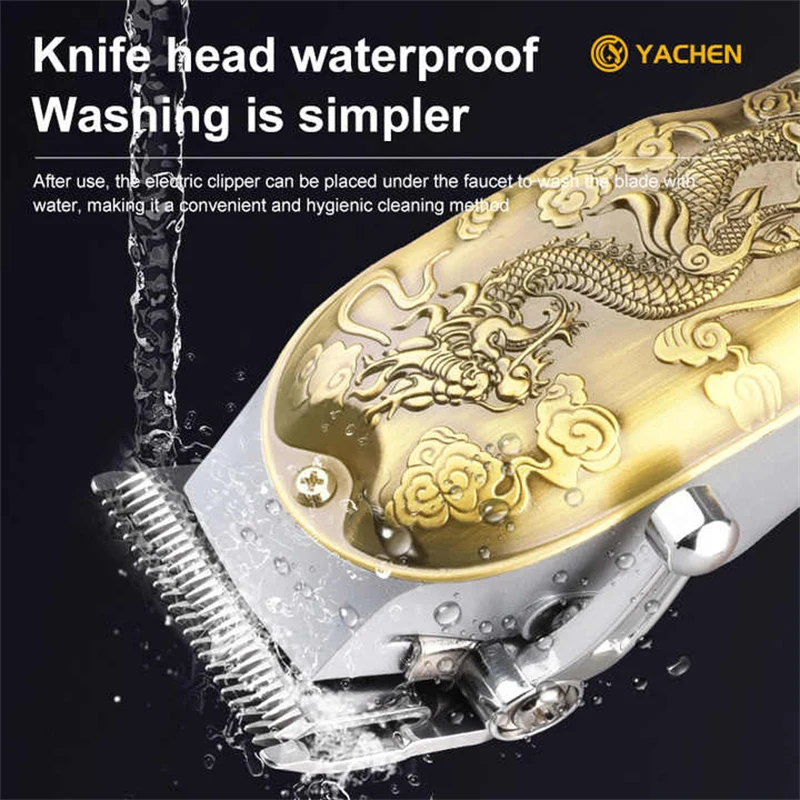
How to Store Hair Clippers for Long-Term Use
Proper storage is an important part of keeping a hair clipper in good condition, especially if you only use it occasionally. Leaving your clipper on the bathroom counter or tossing it into a drawer can expose it to moisture, dust, and accidental damage. Over time, these conditions can cause rust on the blades, reduce battery performance, or loosen parts. Whether you use your clipper for personal grooming or professional service, a few simple storage habits can help keep it clean, safe, and ready for the next use.
Before putting your clipper away, turn it off and disconnect the power cord if applicable. Remove loose hair from the blades with the cleaning brush, then disinfect the blades when needed. Let them dry completely and apply clipper oil according to the manufacturer's instructions. Storing dirty blades can leave hair and product residue trapped between the teeth, which makes the next cleaning harder.
Choose a dry, cool place for storage. A dedicated grooming case, drawer organizer, or protective box can keep your clipper away from dust and accidental drops. Avoid leaving it near a sink, shower, or other wet areas. For example, if you usually trim your beard in the bathroom, move the clipper after cleaning to a dry drawer in the bedroom or onto a shelf away from steam and splashing water.
If your clipper comes with a blade guard, put it on before storing the clipper. The guard helps protect the cutting teeth from damage if the tool is bumped or dropped. Keep the charging cable, cleaning brush, oil, and comb attachments together in a separate compartment so everything is easy to find. Avoid winding the power cord tightly around a corded clipper, as this can damage the cable over time.
Battery care also matters when storing a cordless clipper for several weeks or months. Follow the manufacturer's recommendation for the ideal charge level during storage and whether the battery should be disconnected or charged periodically. Do not leave the clipper plugged in indefinitely unless the manufacturer specifically allows it. Keep the device out of direct sunlight and away from extreme heat or cold, which can affect battery life.
Finally, inspect your clipper before using it again after a long break. Check for rust, damaged teeth, loose screws, or signs of battery swelling. If the blades are rusty or damaged, do not use them until the problem is fixed. With clean blades, proper lubrication, and a dry storage spot, you can help your hair clipper stay reliable for many years.
Yiwu JiHong Electric Appliance Co., Ltd. perustettiin 27. huhtikuuta 2017, ja sillä on kaksi itsenäistä tuotemerkkiä: "Lenrood" ja "Coobo". Pääasiassa offline-jakeluun ja tukkumyyntikanaviin keskittyvällä yrityksellä on yli 30 vuoden syvällinen asiantuntemus kodinkoneteollisuudesta, ja sen vuotuinen myyntitulo on noin miljardi Kiinan yuania. Tyylikkäästä muotoilustaan, erinomaisesta laadustaan ja älykkäistä ominaisuuksistaan tunnettu JiHong tarjoaa laajan valikoiman tuotteita, kuten muodikkaita henkilökohtaisen hygienian laitteita, suunhoitotuotteita, terveys- ja hyvinvointilaitteita sekä keittiön pienkoneita. Yritys painottaa tutkimus- ja kehitystyötä, innovaatioita ja laadunvalvontaa varmistaen jatkuvan tuoteinnovaation, markkinoiden laajentumisen ja luotettavan jälkimarkkinointipalvelun. Se on sitoutunut tulemaan uuden aikakauden älykkäiden pienkoneiden alan vertailukohde. "Innovatiivisen teknologian, poikkeuksellisen laadun ja lämpimän asiakaskeskeisen kulttuurin" periaatteiden ohjaamana JiHong pyrkii tarjoamaan ainutlaatuisia ja sydäntä lämmittäviä kokemuksia, jotka lisäävät käyttäjien elämän lämpötilaa.